
The VIPCANIC Auto Repair Blog
Weekly straight talk from the mechanics who come to your driveway, what breaks, why, and what it should cost to fix. New post every Monday.
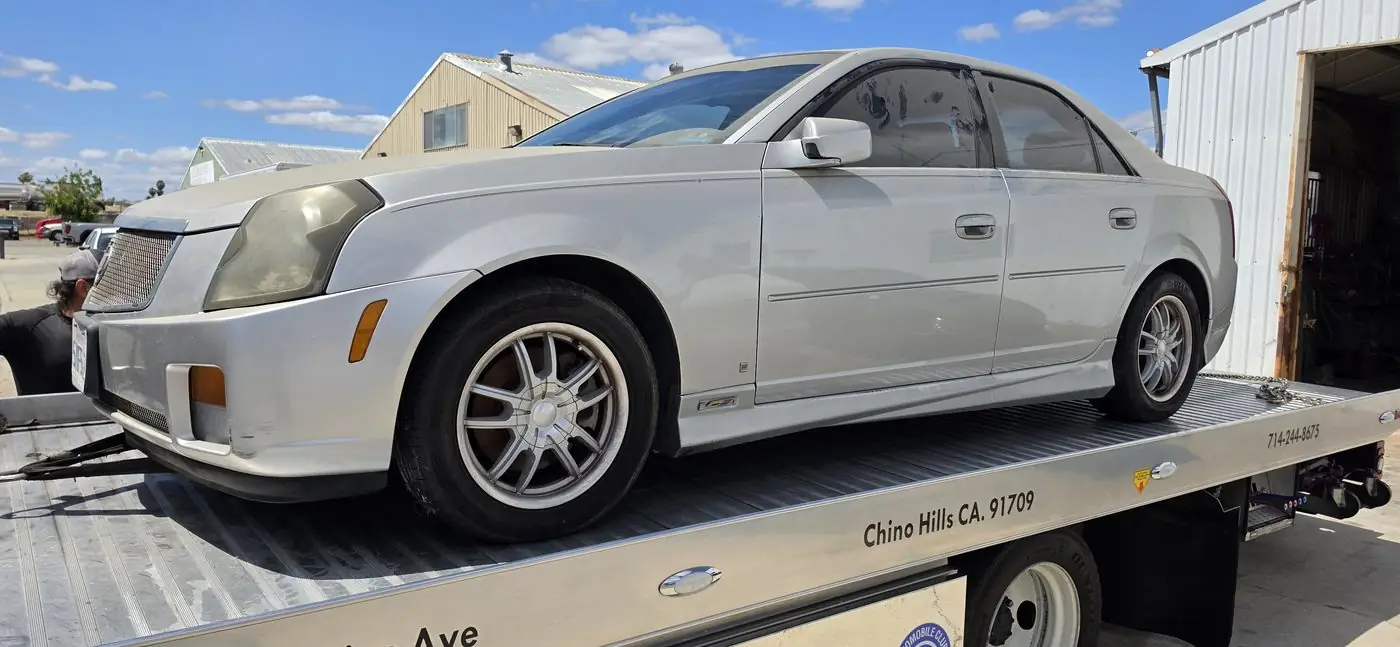
The Real Drawbacks of a Mobile Mechanic, From a Mobile Mechanic
No lift, a small parts stock, weather and parking limits, and a trade anyone can join. Here is every real downside, and when mobile still wins.
Read post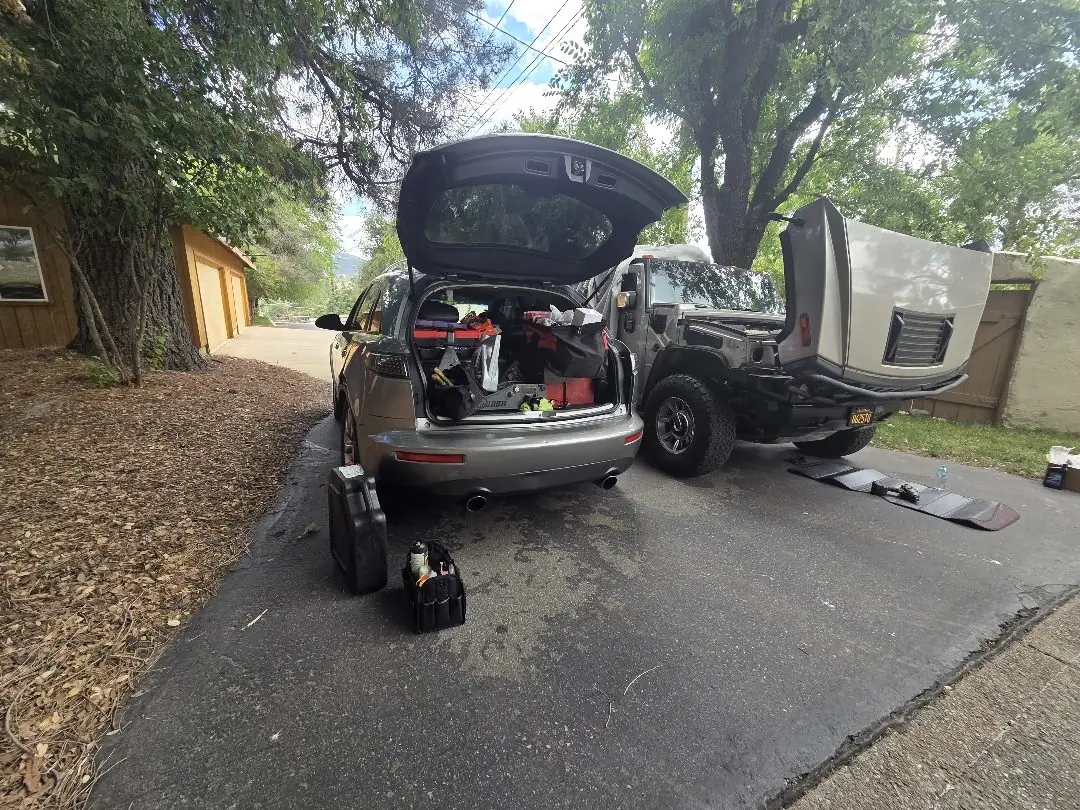
Why the South Bay Is Switching to 24/7 Mobile Mechanics
The repair shop model asks for your car all day. There is a reason driveway repair keeps growing here.
Read post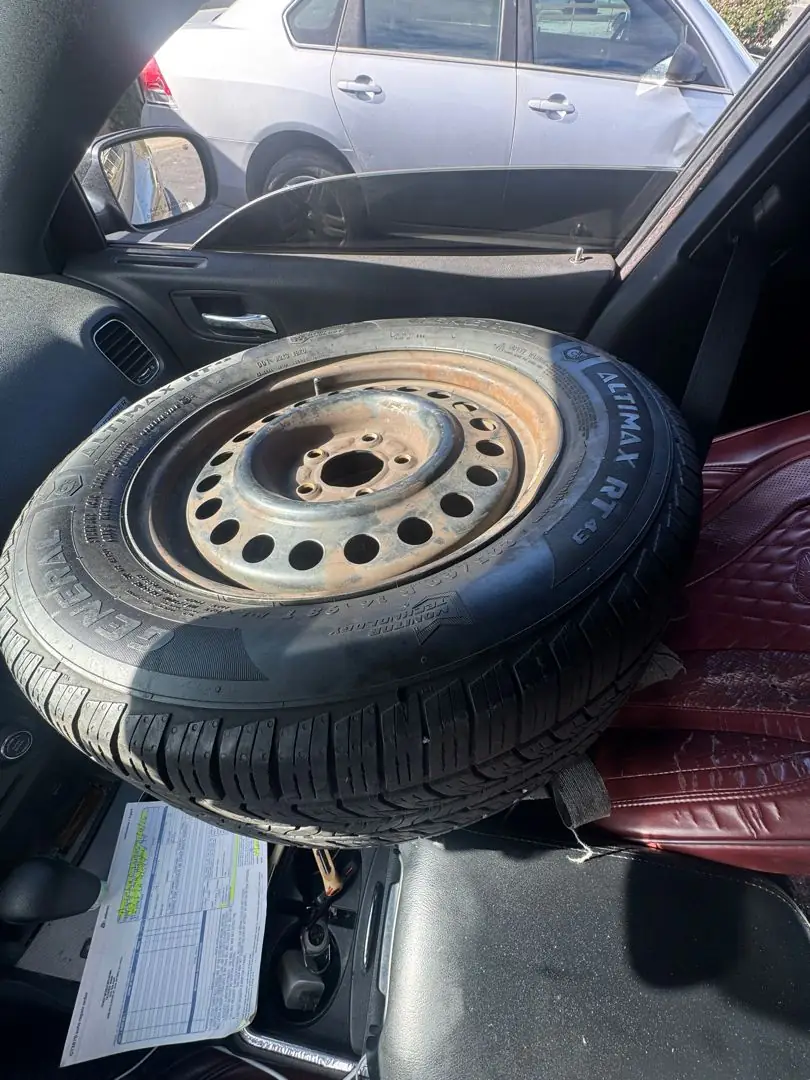
TPMS Light On? What the Tire Pressure System Is Telling You
Solid, flashing, or on-again-off-again — the tire light has three messages, and one of them is about the sensors.
Read post
5 Car Smells That Mean Trouble
Sweet, burnt, rotten, gassy, or hot-crayon: your nose is a diagnostic tool. Believe it.
Read post
Why Your Car Shakes at 65 mph (And Not at 45)
A shake that lives at one specific speed range is a clue, not a mystery. Here is how we read it.
Read post
Mobile Mechanic vs. Repair Shop: An Honest Comparison
We are a mobile shop, so grade our homework: here is what mobile is genuinely better at, and what it is not.
Read post
The 48-Hour Rule: Inspect Two Days Before the Road Trip
Inspecting the morning you leave finds problems you no longer have time to fix. Two days is the number.
Read post
P0455: The Code That Might Just Be Your Gas Cap
A “large EVAP leak” sounds expensive. Sometimes it is a $15 cap — and sometimes it is not.
Read post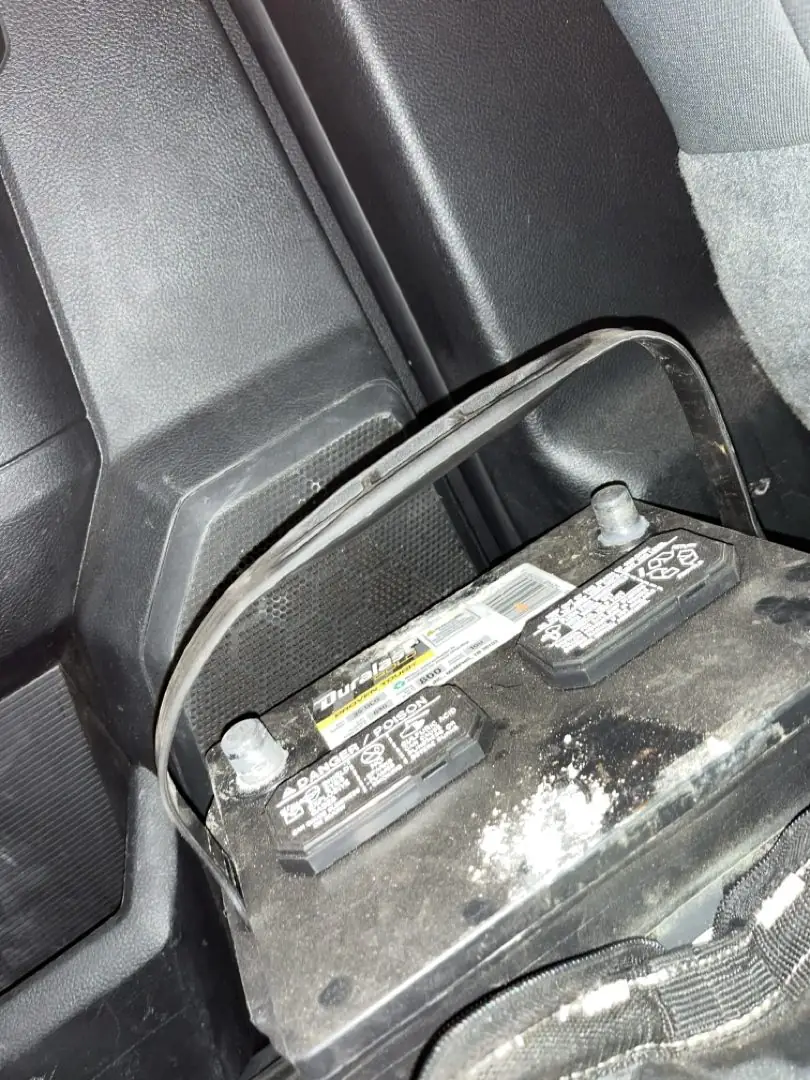
Why July Is Battery Death Month in the South Bay
Our busiest week for dead batteries is always the hottest one. The chemistry is not a coincidence.
Read post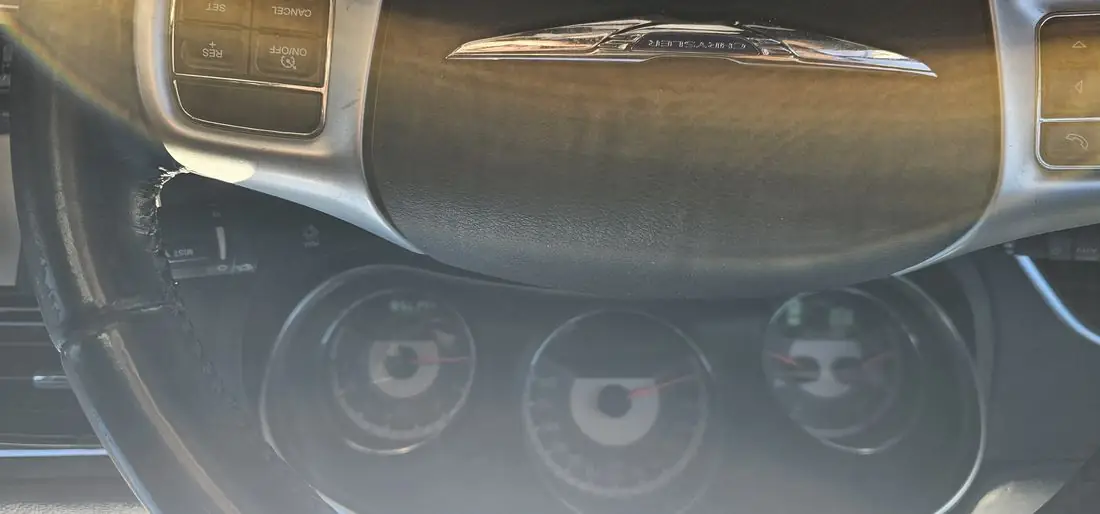
Car Overheating? Do This, In This Order
The needle is climbing and you are in traffic. The next five minutes decide the size of the repair.
Read post
Water Pump Warning Signs: The Weep Hole Is Talking
Water pumps rarely explode; they leak, whine and wobble their way out over weeks.
Read post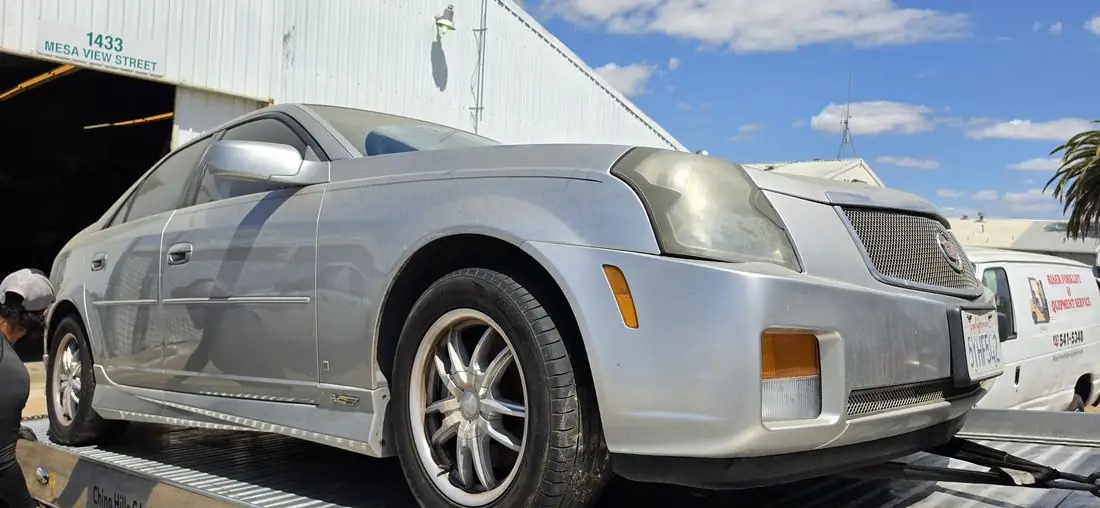
The Thermostat: A $30 Part With Total Veto Power
It is a spring and a wax pellet, and it can overheat a $10,000 engine or keep it forever cold.
Read post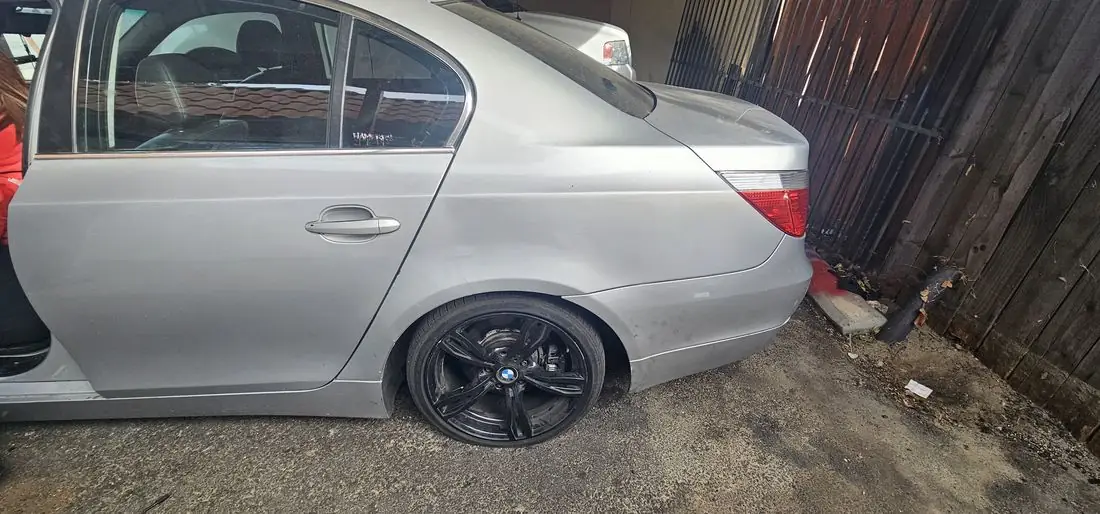
Motor Oil in Hot Weather: What Those Numbers Actually Mean
0W-20, 5W-30 — the numbers on the cap are about temperature, and summer is when they earn their keep.
Read post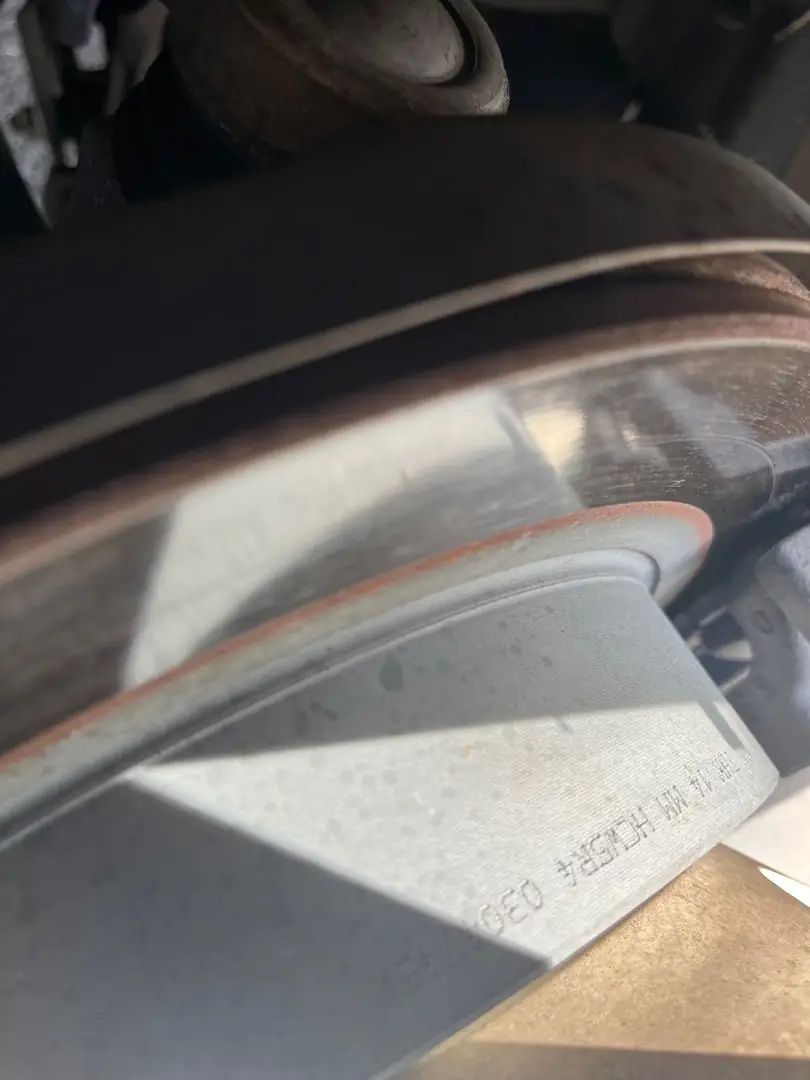
Brake Fade on Long Grades: What Truckers Know That Drivers Forget
Riding the brakes down a mountain grade cooks them. The pedal that goes soft halfway down is preventable.
Read post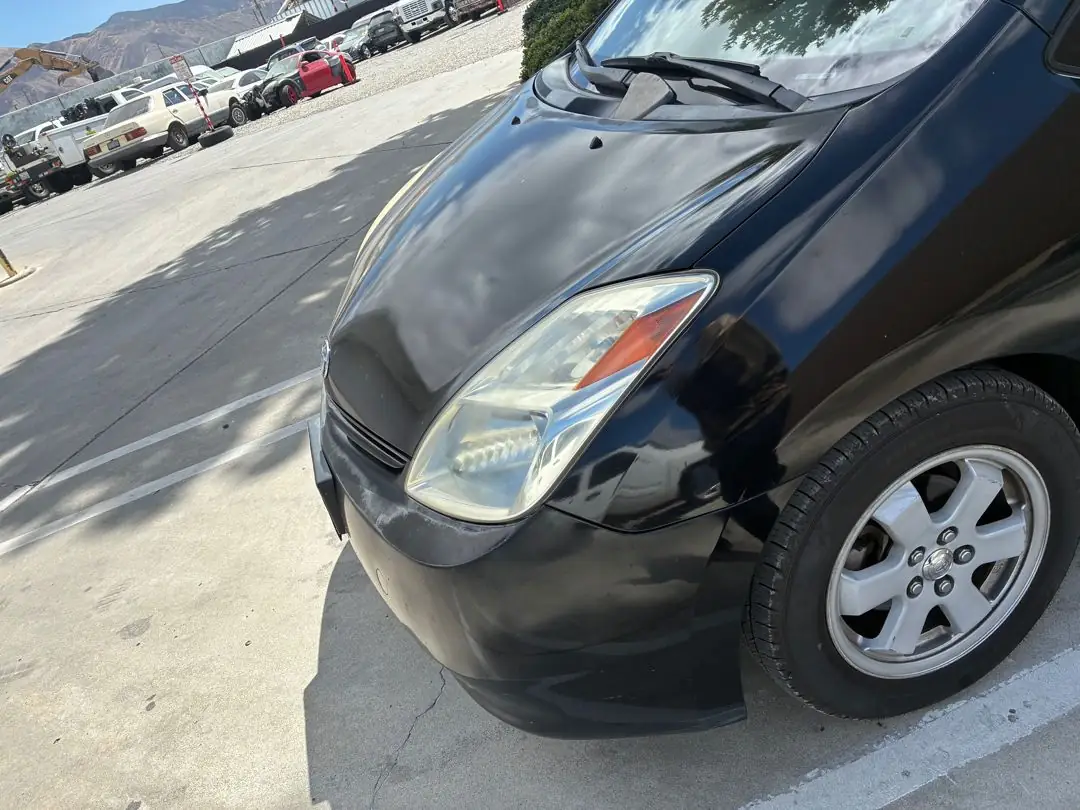
Beat the First Heat Wave: A June To-Do List
The first 100° week finds every marginal part on your car. Get to them before the weather does.
Read post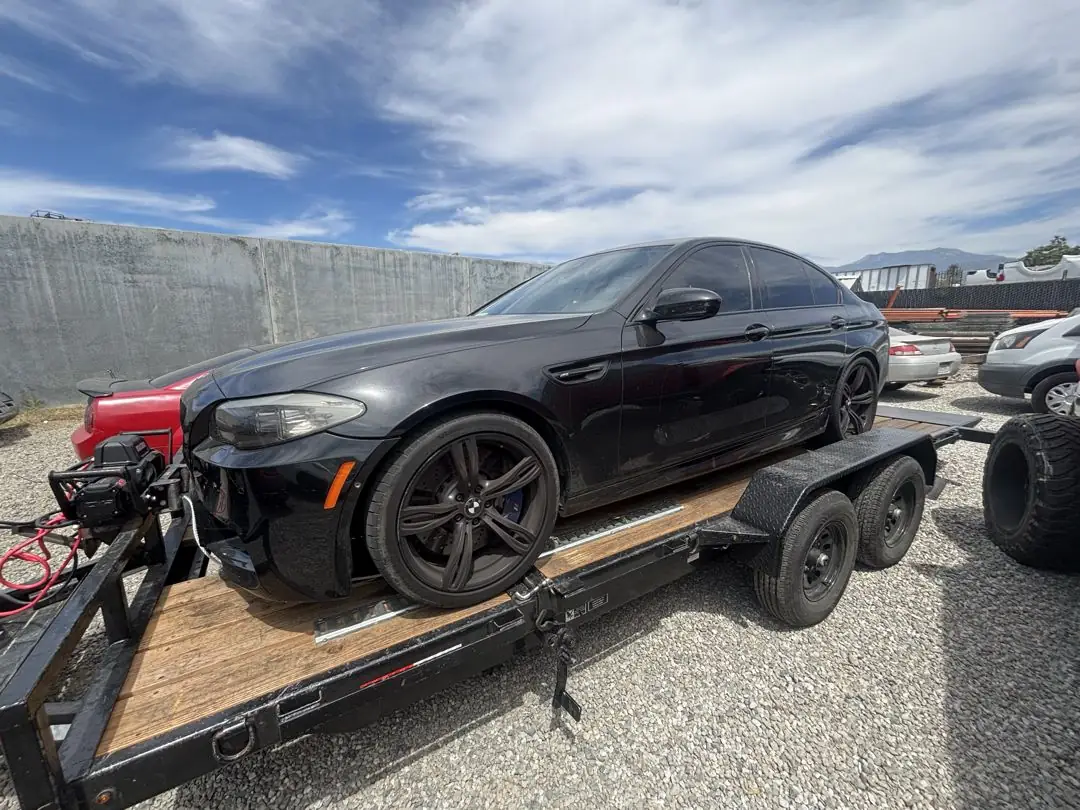
The $180 Inspection That Saved a Buyer $4,300
A clean-looking SUV, a motivated seller, and what the scanner found under the shine.
Read post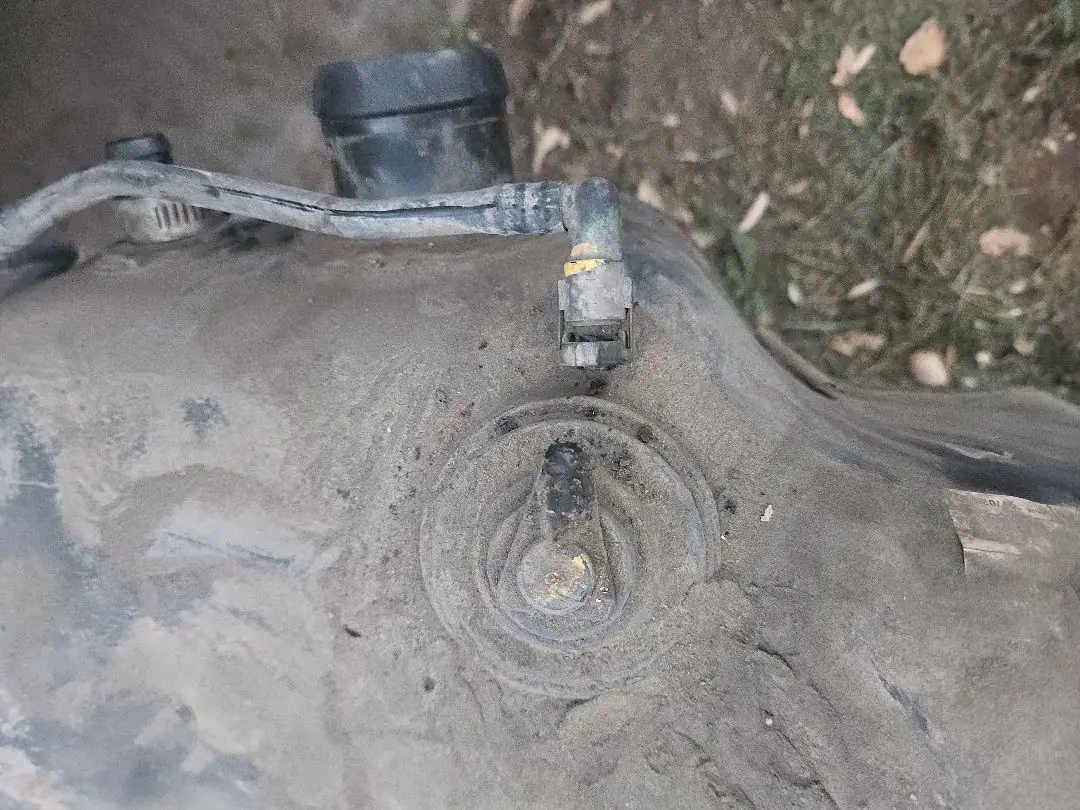
The Radiator Hose Squeeze Test (Do It With the Engine Cold)
Ten seconds with your hand tells you more about hose health than a glance ever will.
Read post
“It Just Needs Freon” — Why an A/C Recharge Is More Than a Can
The parts-store can might get you a cool week. A proper service gets you a cool summer.
Read post
Getting the Cooling System Ready for Its Hardest Season
Every part of the cooling system is about to work its yearly maximum. May is when to look.
Read post
Head Gasket Trouble: The Early Signs Worth Catching
“Blown head gasket” is the phrase nobody wants — but it announces itself early, if you look.
Read post
Timing Belt vs. Timing Chain: Which You Have, and Why It Matters
One has a hard replacement deadline; the other warns you with noise. Knowing which is in your engine matters.
Read post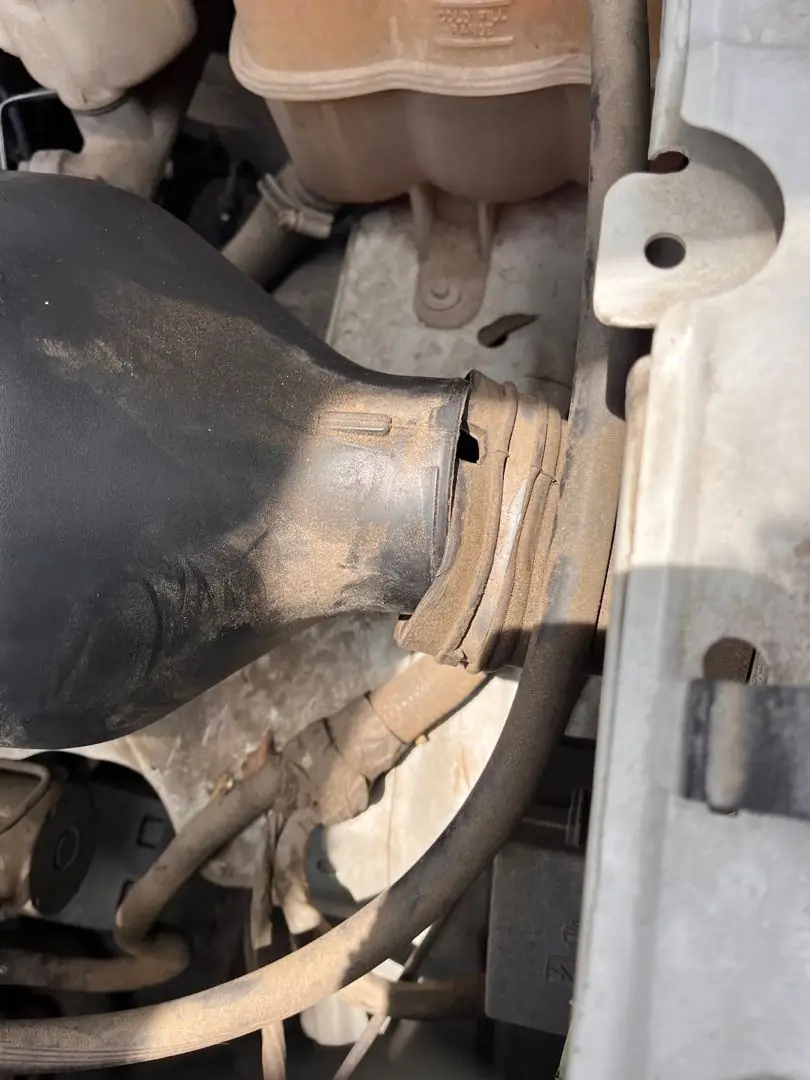
Cabin Filter vs. Engine Air Filter: You Have Both, They Do Different Jobs
One protects your lungs, one protects your engine, and both are probably overdue.
Read post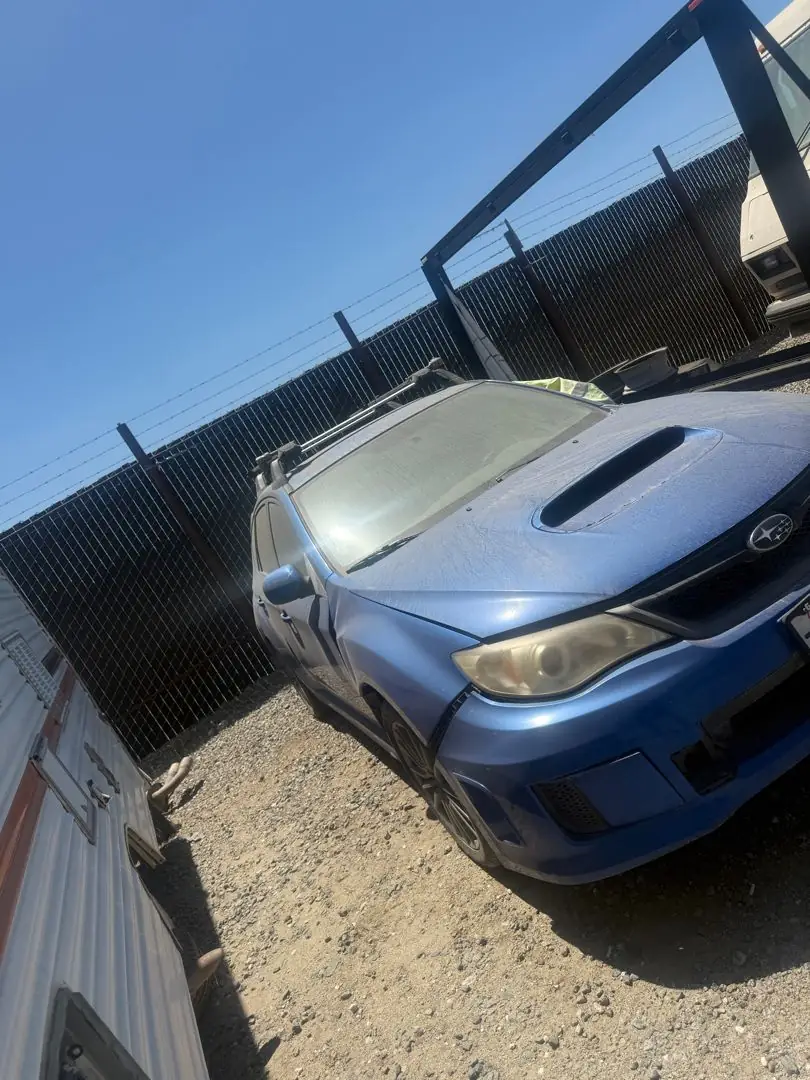
The 6-Point Spring Checkup
Winter rain is done; heat is coming. April is the cheap month to get ahead of both.
Read post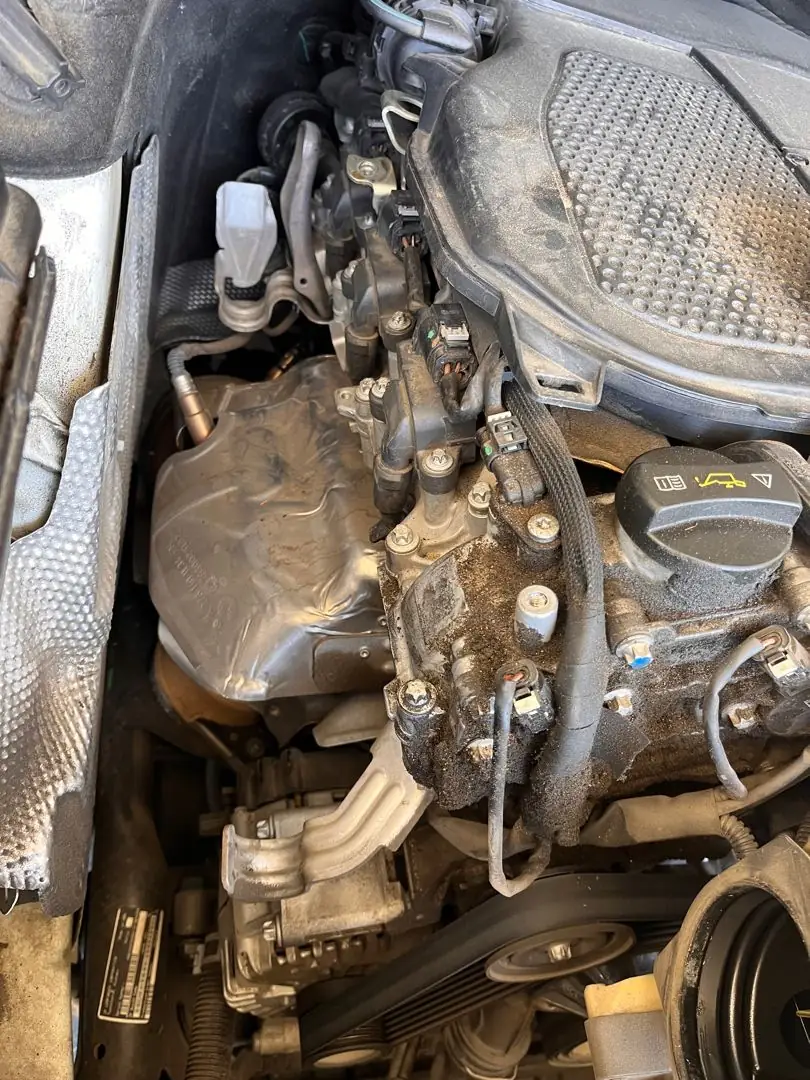
Is the Fuel Pump Failing? How Cars Act When Fuel Runs Short
Sputtering at speed, long cranks, dying on hills — fuel starvation has a pattern.
Read post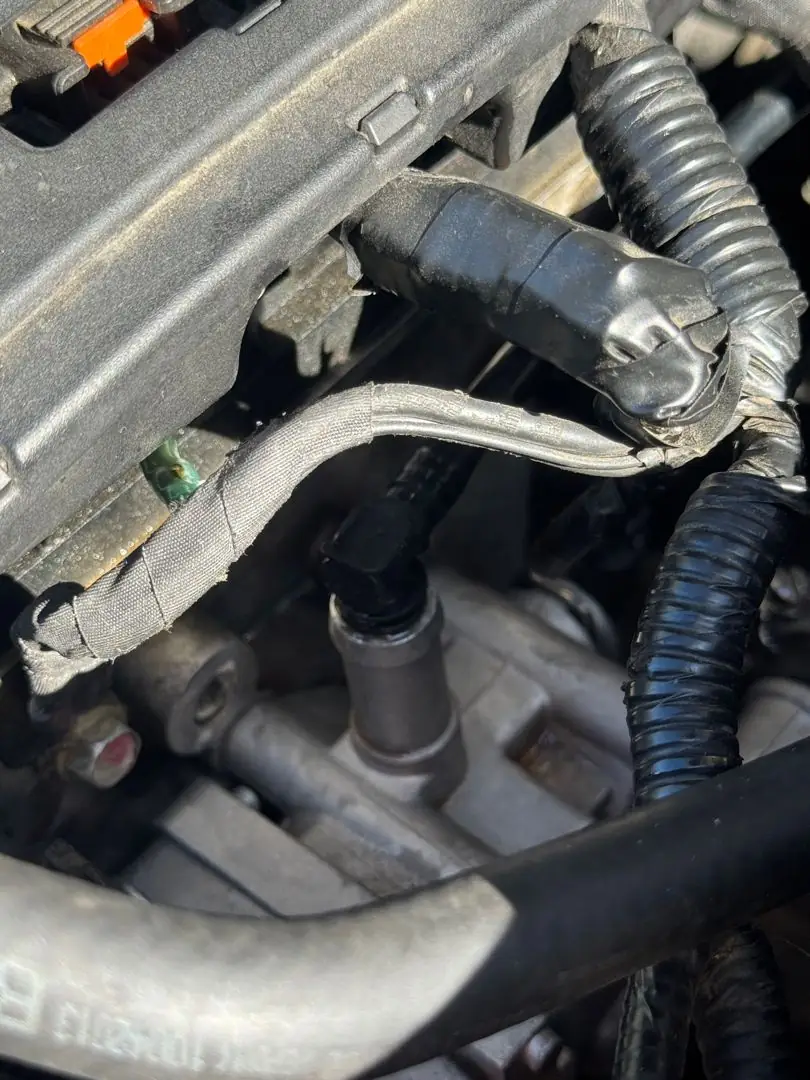
Vacuum Leaks: The Rough-Idle Mystery Solved by Listening
A high or hunting idle, a hiss under the hood, and codes for “running lean” — classic vacuum leak.
Read post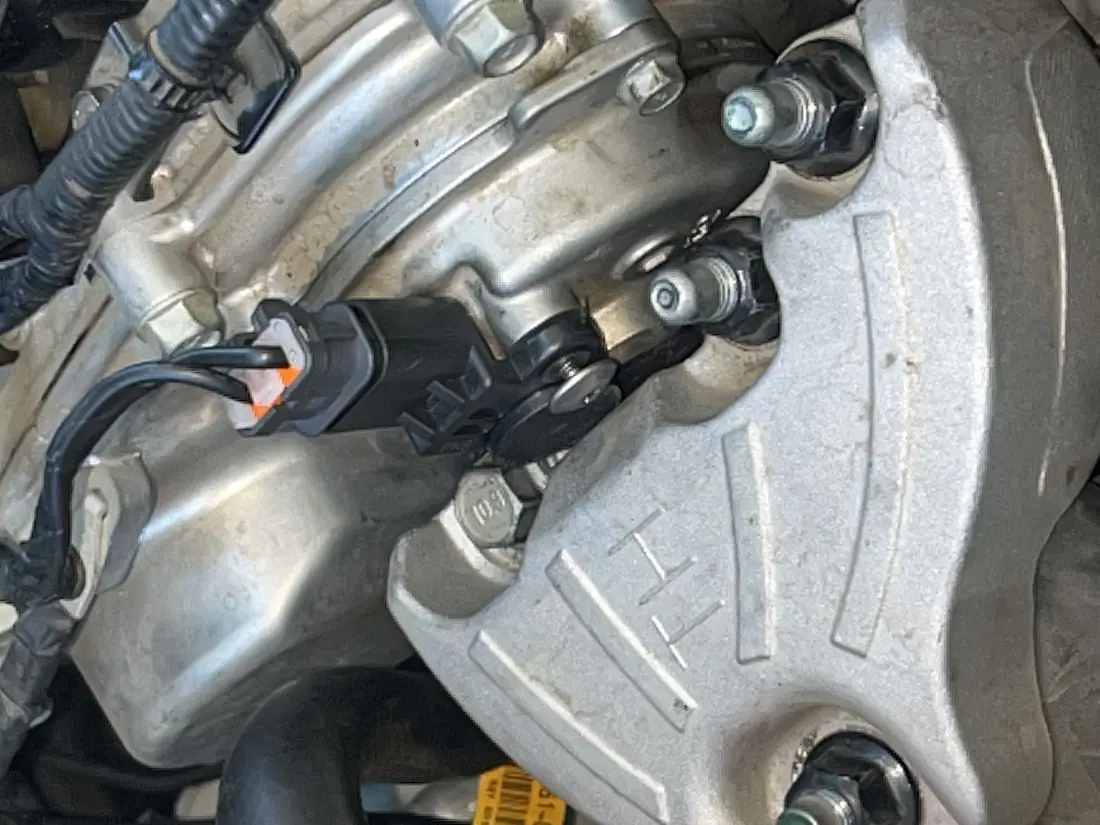
Clicking When You Turn: CV Axles Explained
A rhythmic click-click-click through a parking-lot turn is one of the most recognizable failure sounds a car makes.
Read post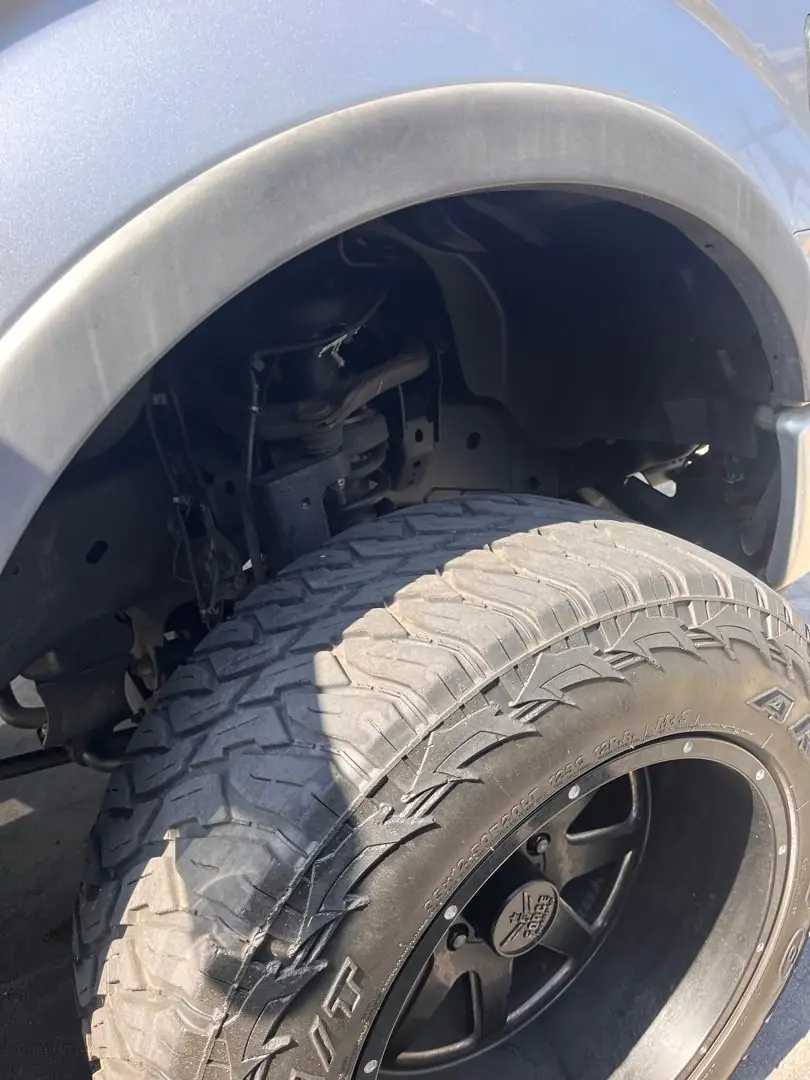
4 Signs Your Car Needs an Alignment
The car drives “fine” — and quietly eats a set of tires. Alignment problems bill you at the tire shop.
Read post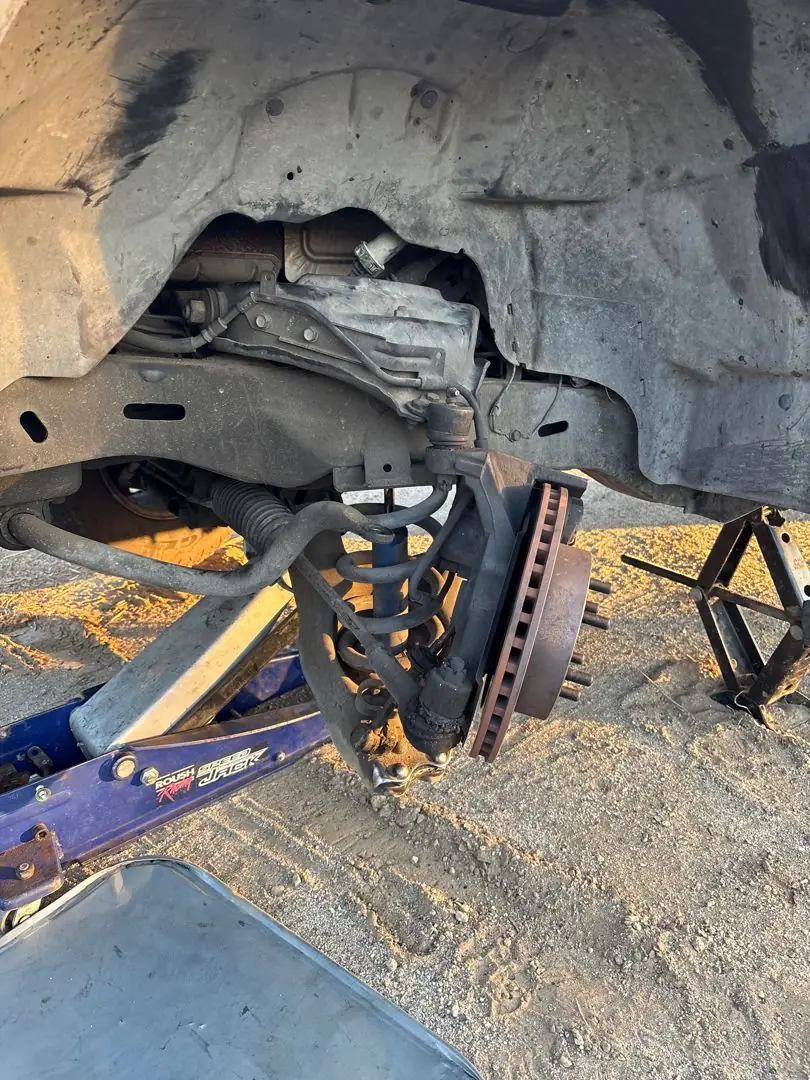
Pothole Season: What LA Rain Does to Your Suspension
Every good rain year re-carves the streets. Your suspension keeps the receipts.
Read post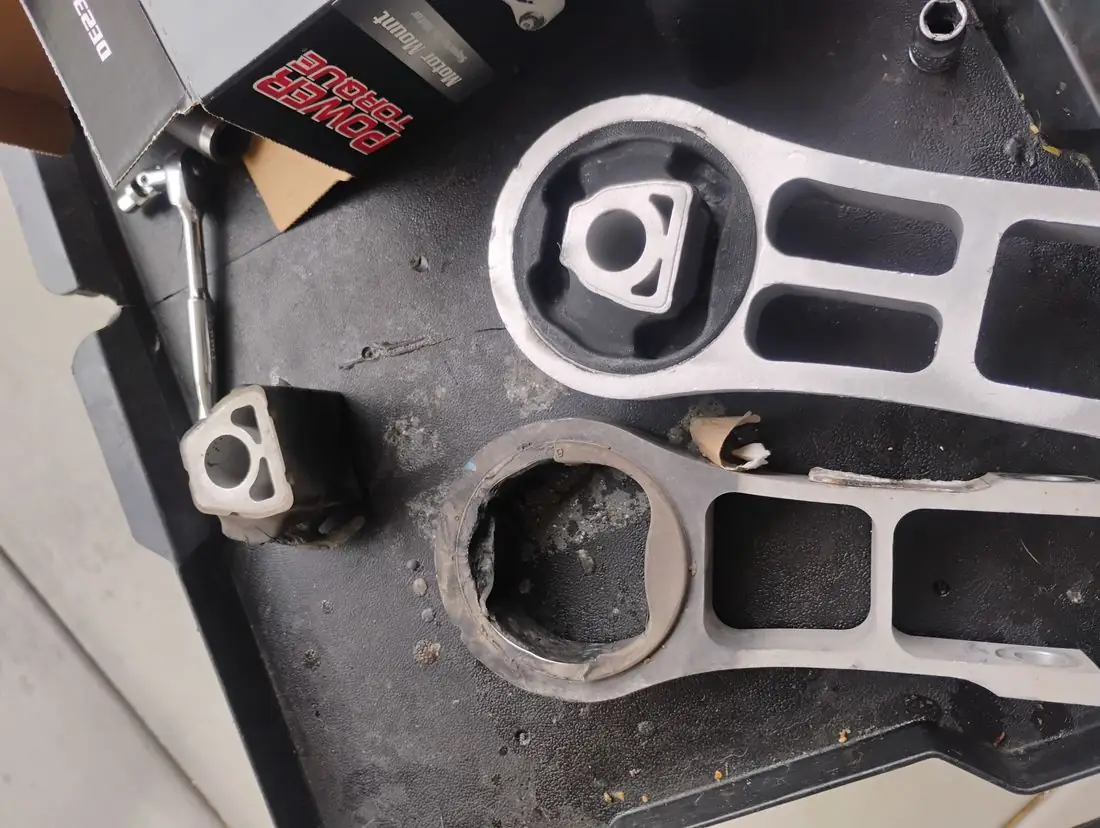
The Clunk When You Shift Into Drive: Motor Mounts
A thump into gear, vibration at idle, an engine that rocks — the rubber holding your engine has a lifespan.
Read post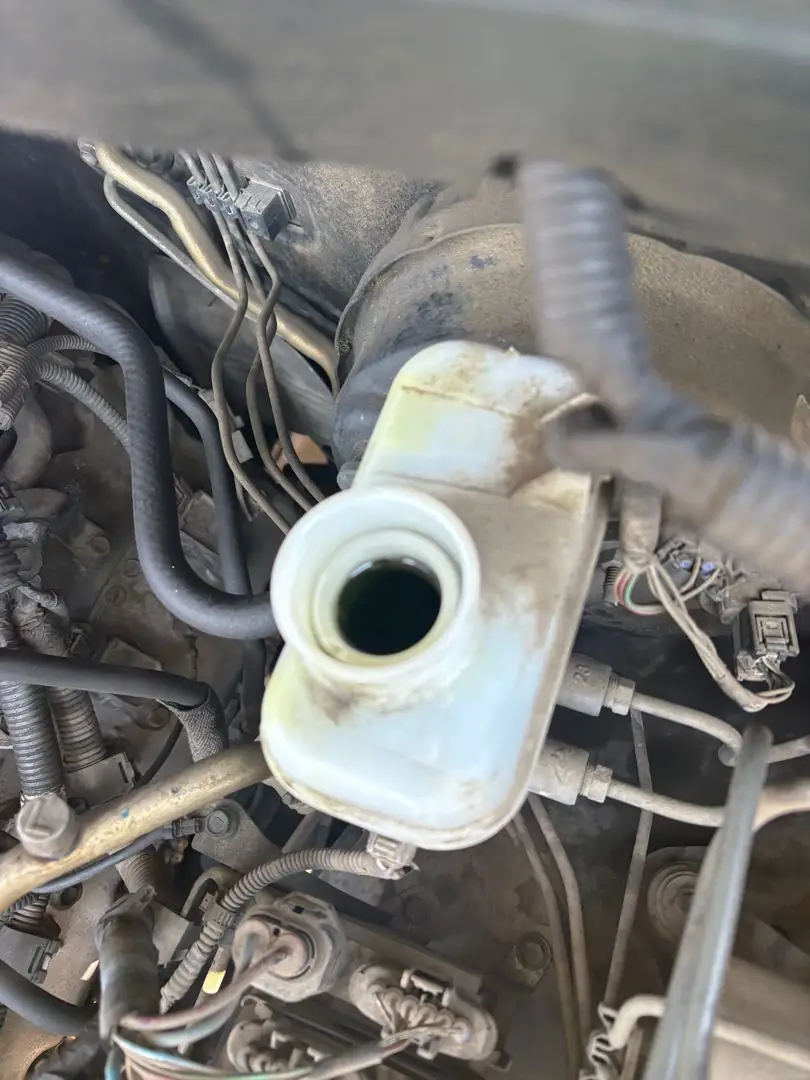
Brake Fluid: The Most Neglected Fluid in Your Car
It is the only fluid your life directly rides on, and most cars have never had it changed.
Read post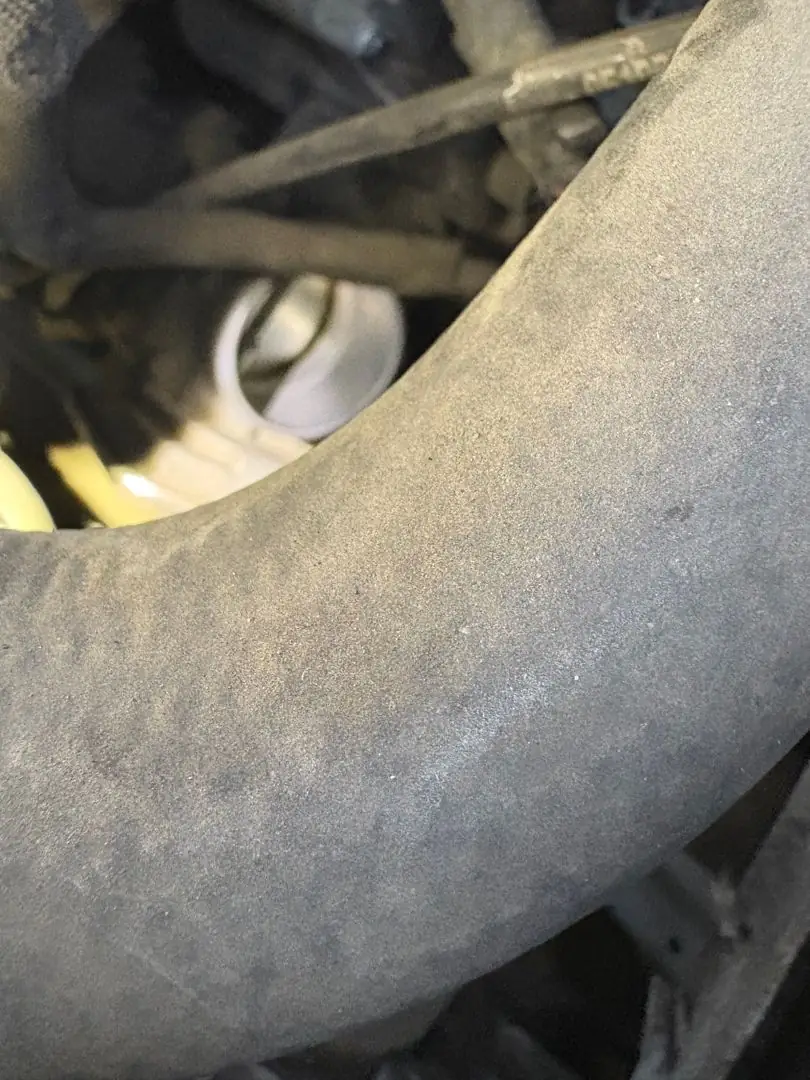
Heater Blowing Cold? The Usual Suspects, In Order
A cold heater in a warm climate still matters — and it is often an early warning about your cooling system.
Read post
P0300: The Random Misfire Code, Decoded
P0300 means multiple cylinders are missing — which makes it trickier than a single-cylinder code.
Read post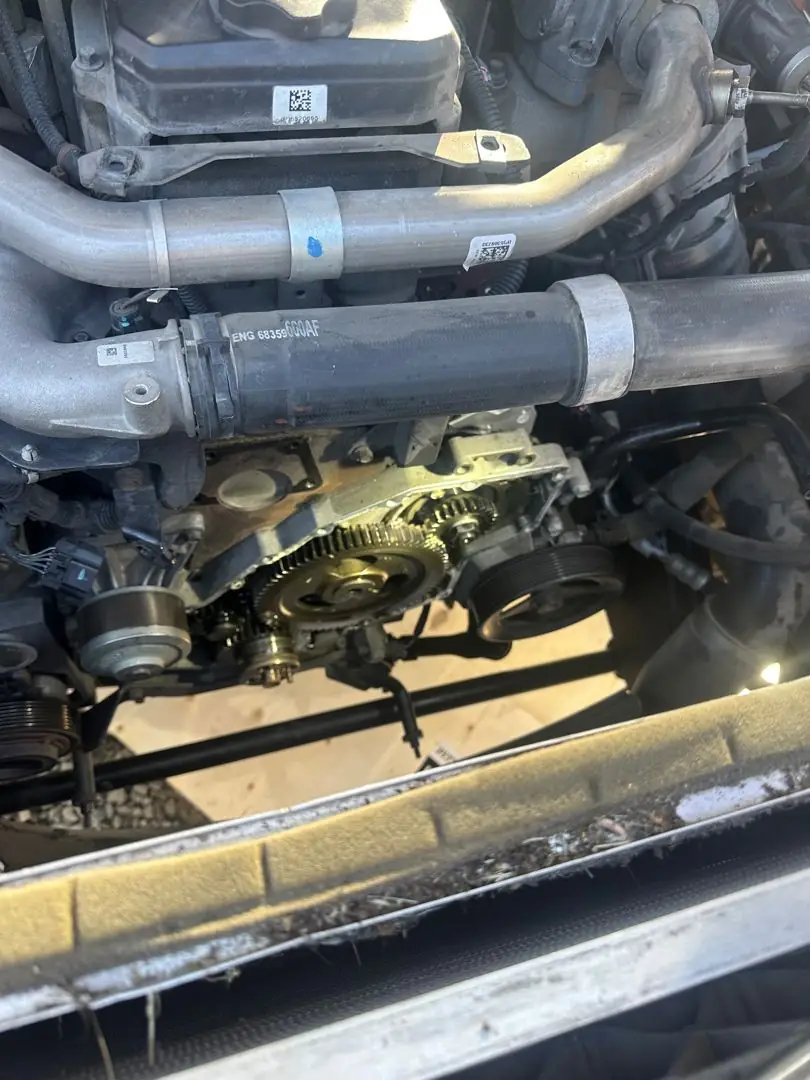
Is the Starter Going Bad? The Sounds Tell You
Starters rarely die without warning. They click, drag and grind their way out — schedule the fix on your terms.
Read post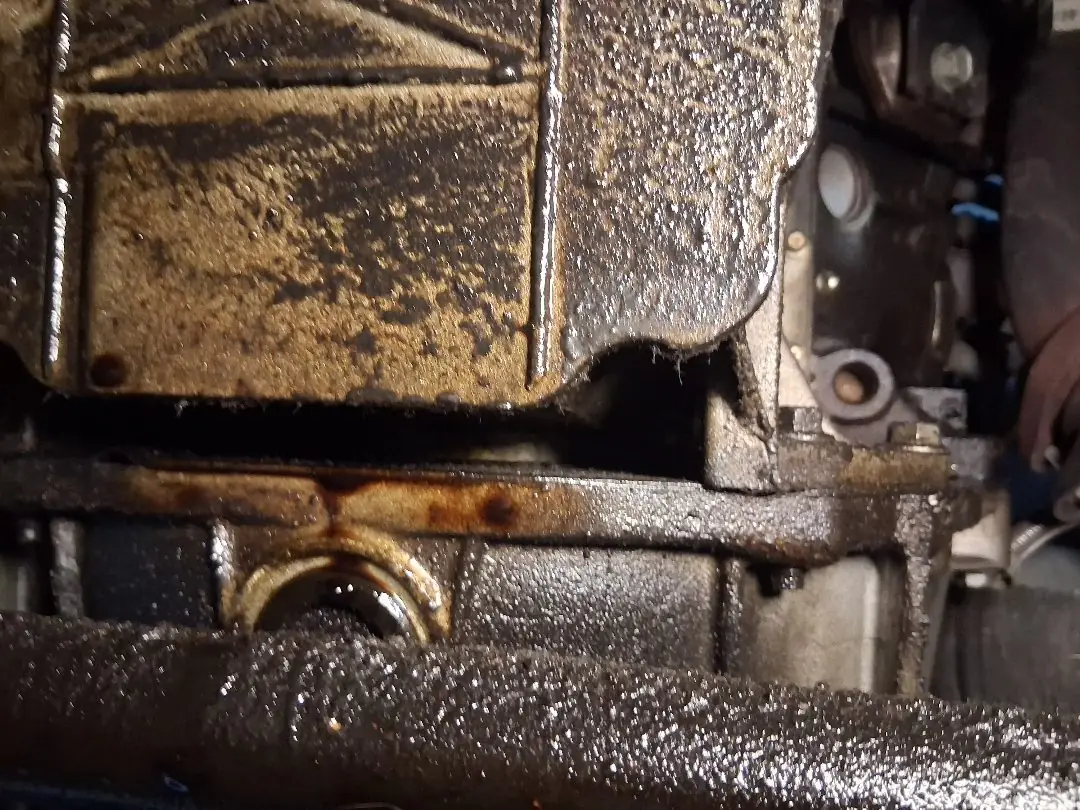
The 3,000-Mile Oil Change Is Dead. What Your Car Actually Needs.
Modern synthetics go far past 3,000 miles — but “up to 10,000” has fine print your engine cares about.
Read post
The Check Engine Light: A Field Guide for Normal People
Solid, flashing, on-then-off — the light has grammar, and it is worth learning.
Read post
Your 2026 Car Maintenance Plan, By the Numbers
Skip resolutions; use mileage triggers. Here is a plan tied to the odometer, not the calendar.
Read post
The Year-End Maintenance Checklist
Close out the year the way your car wishes you would: check what wore, log what is due, fix the one thing you deferred.
Read post
Cold-Morning No-Starts — Yes, Even in Los Angeles
It hit 42° in Torrance and suddenly half the neighborhood is cranking slow. Cold is a stress test.
Read post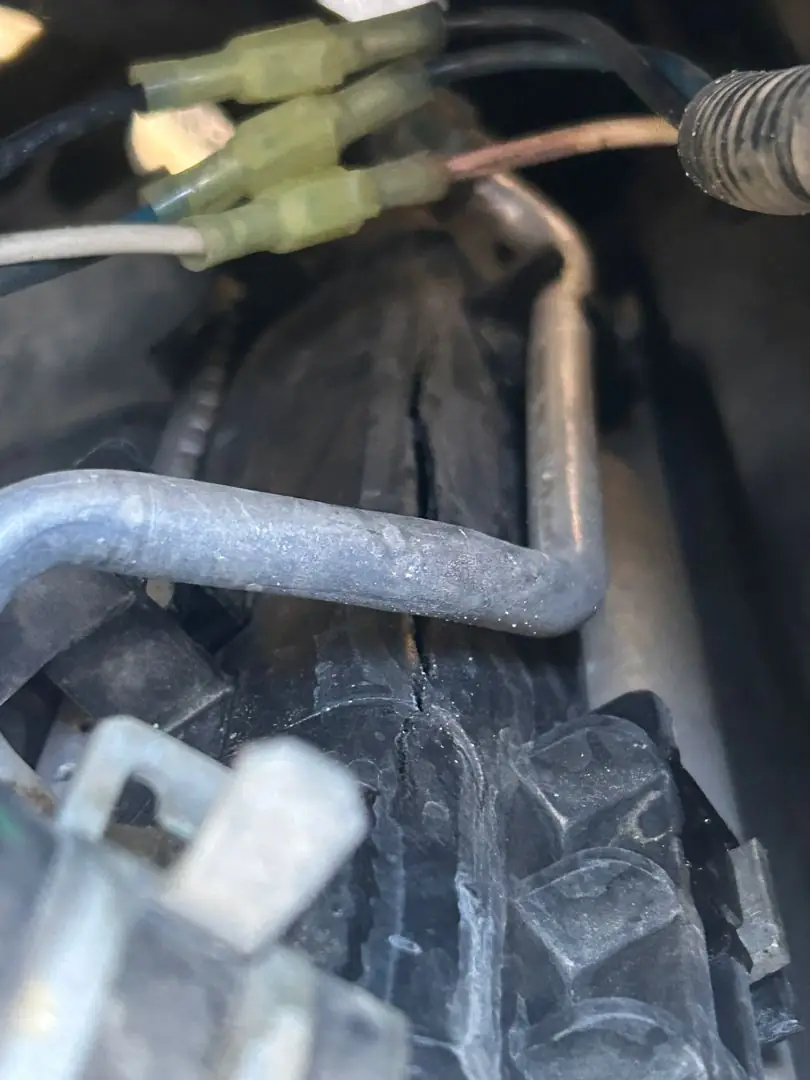
How to Jump-Start a Car Without Frying Its Electronics
Modern cars carry dozens of computers. A sloppy jump can turn a dead battery into a much worse day.
Read post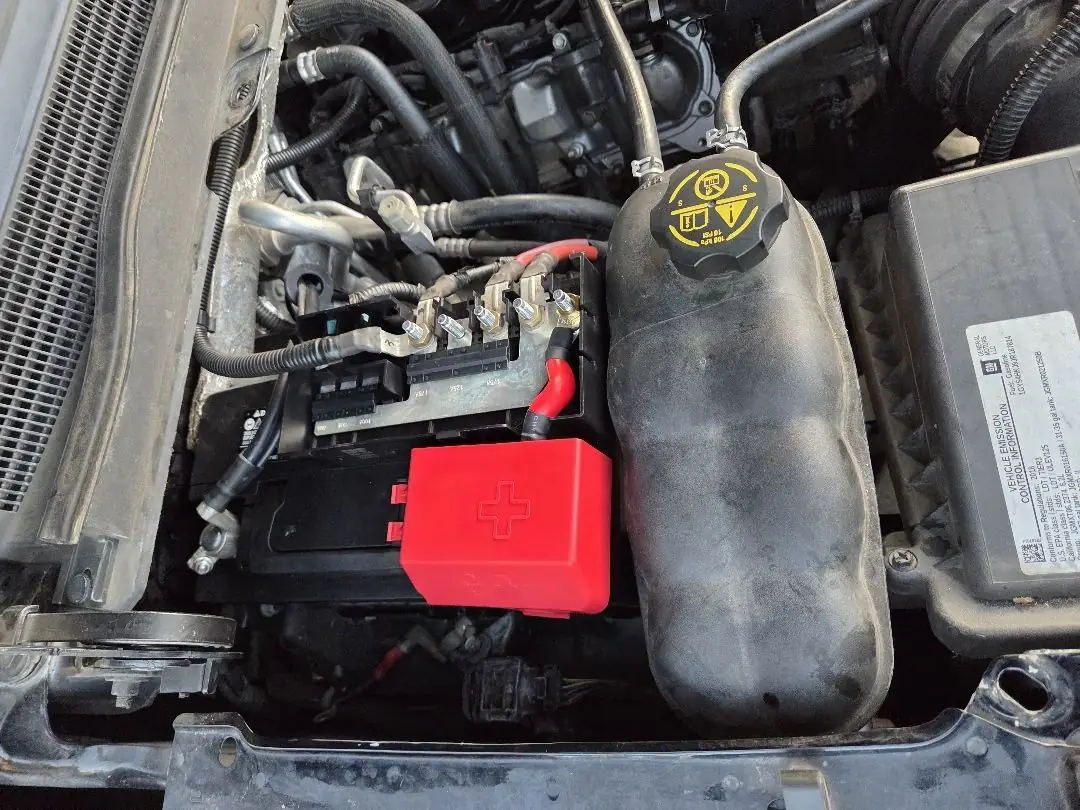
Dead Battery in a Parking Lot: Your Next 15 Minutes
Groceries in the trunk, key turns, nothing. Here is the calm-person version of what to do next.
Read post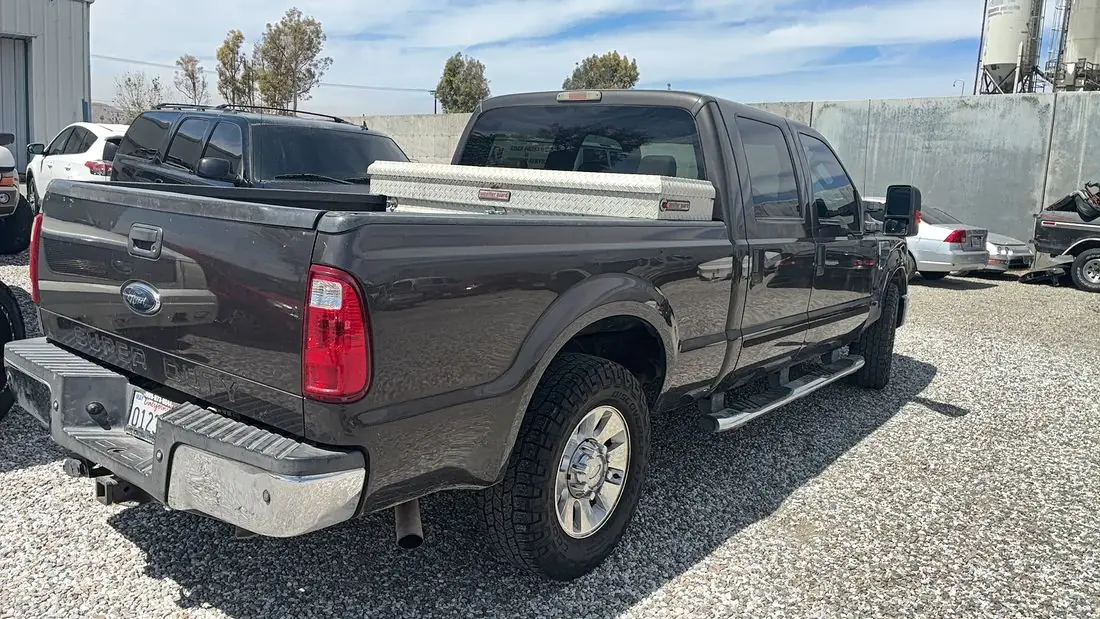
Holiday Travel Prep: The Thanksgiving Traffic Edition
Thanksgiving weekend is the most traffic-choked drive of the year. Idle-heavy hours change what matters.
Read post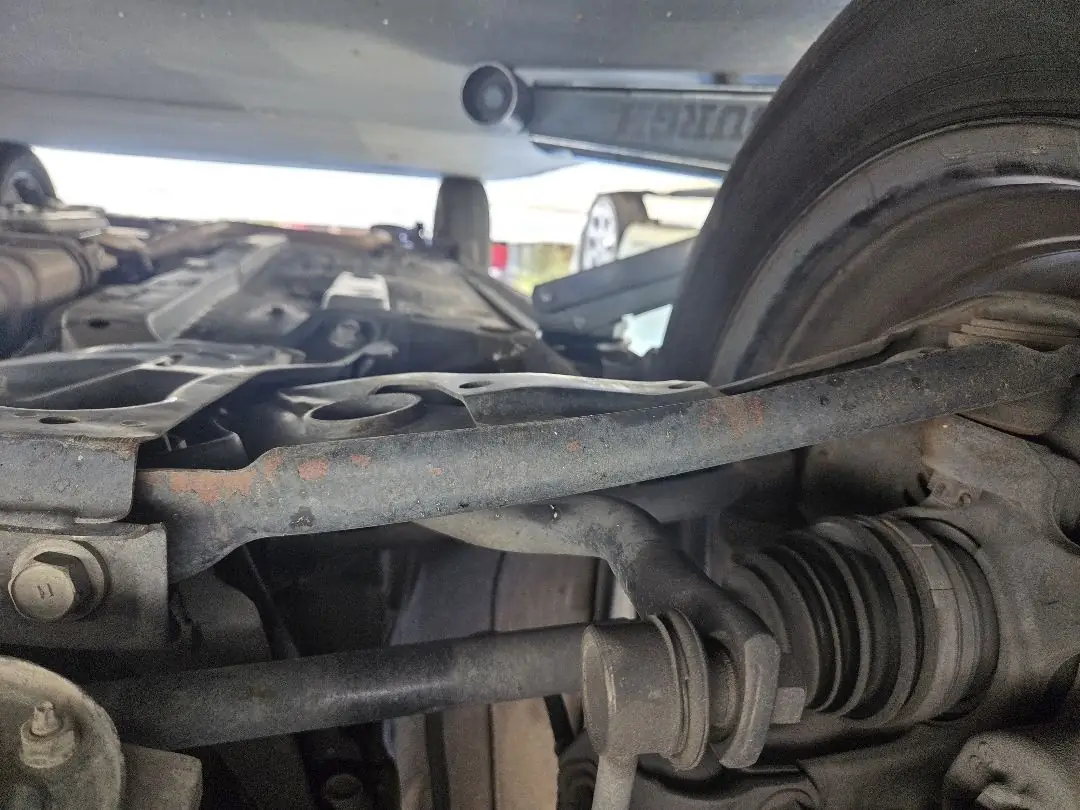
That Hum That Changes With Speed? Probably a Wheel Bearing
A drone that rises with speed and shifts when you change lanes is the signature of a wearing bearing.
Read post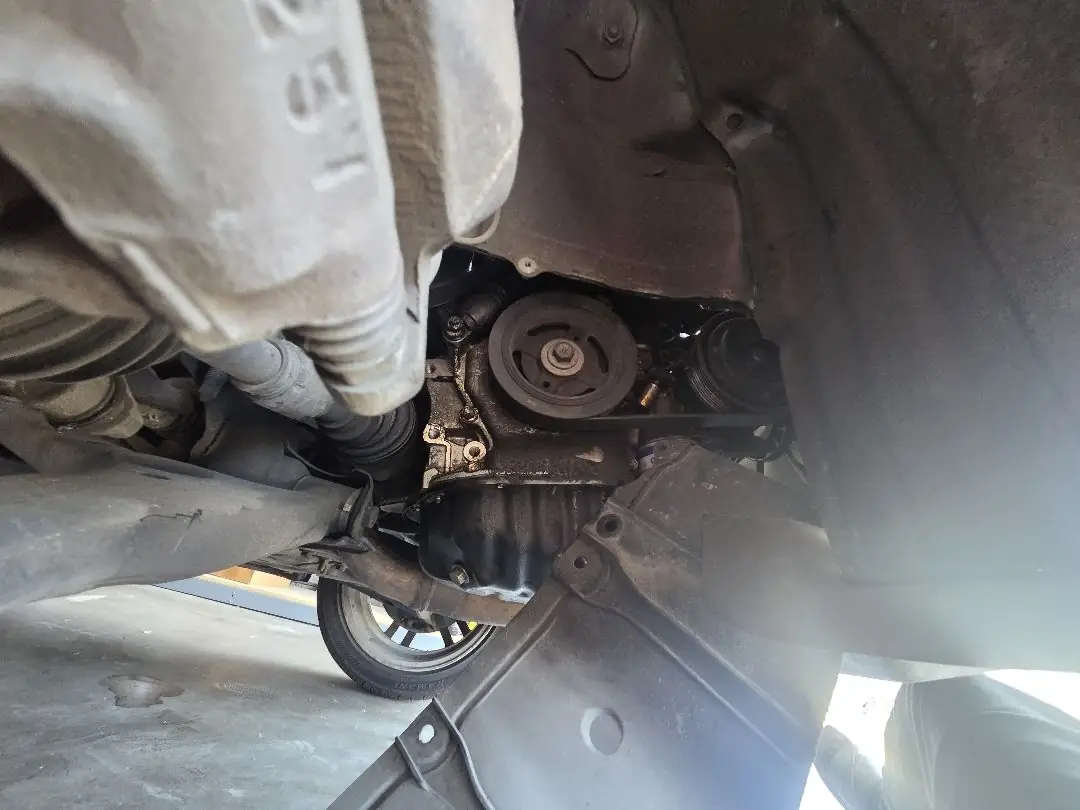
Transmission Fluid: The Most Forgotten Service on Your Car
“Lifetime fluid” is doing a lot of work in that sentence. Heat is what actually sets the interval.
Read post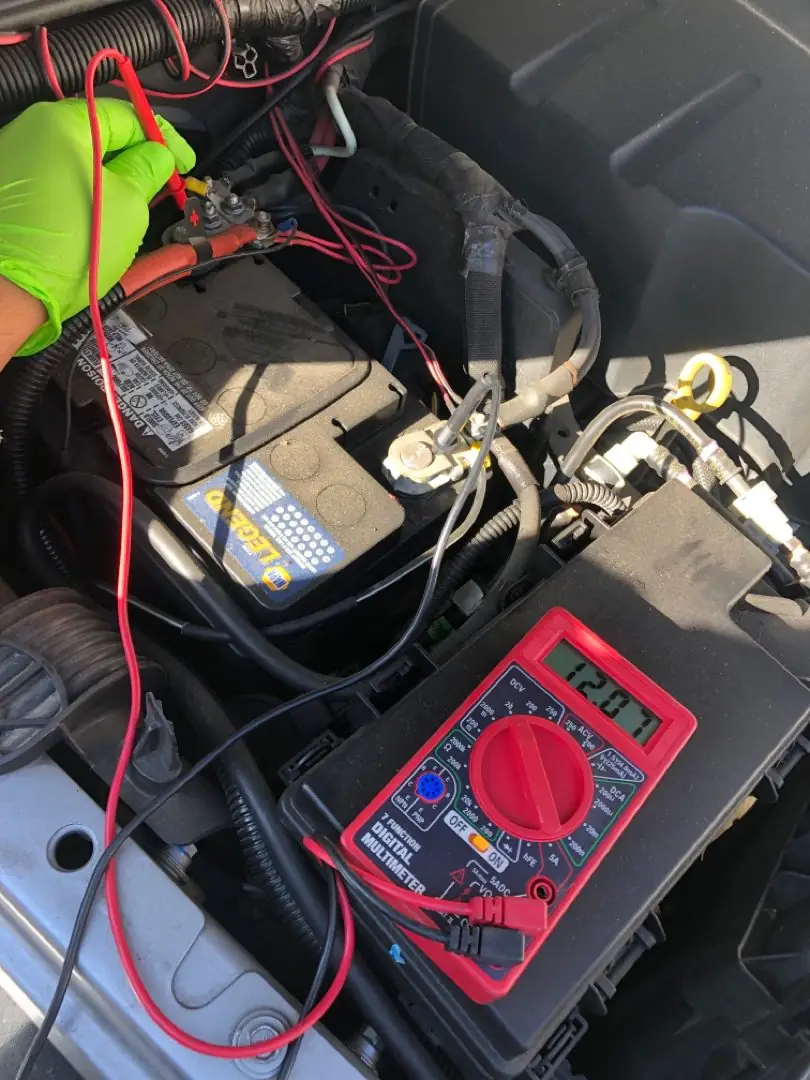
November Is Battery Testing Season
Cool mornings expose the batteries summer weakened. A five-minute test now beats a no-start in December.
Read post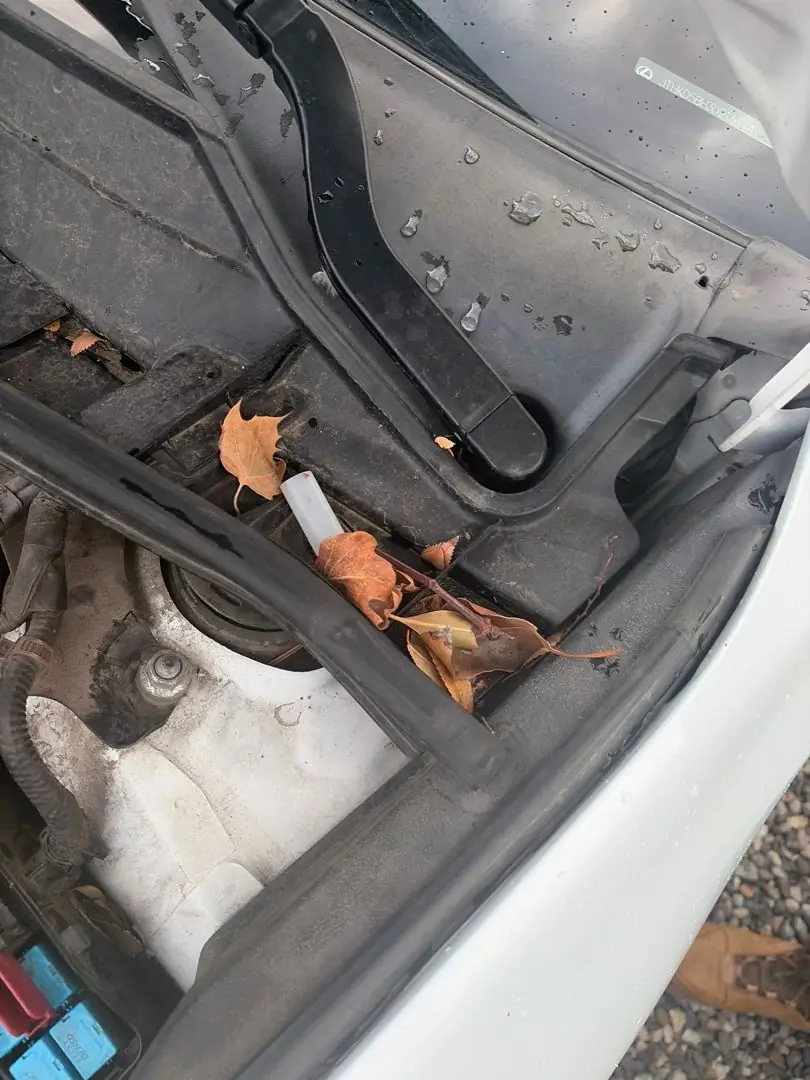
Rain-Ready: Brakes, Tires and Wipers Before the Storms
The South Bay gets its rain in a few concentrated weeks. The cars that slide are the ones that skipped this list.
Read post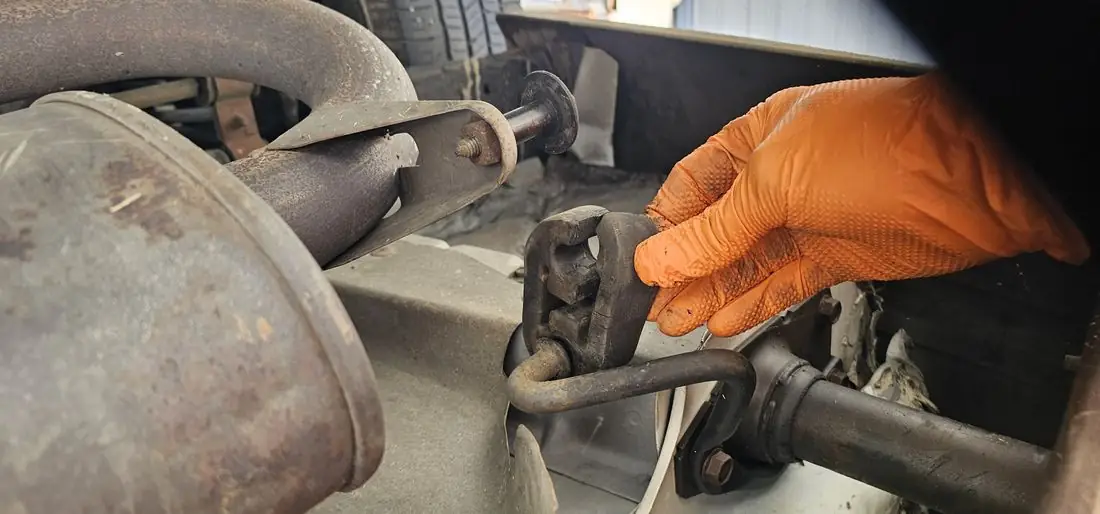
Catalytic Converter Theft in LA: Making Your Car a Harder Target
Thirty seconds under your car nets a thief hundreds in precious metals. Some cars are targets; here is what helps.
Read post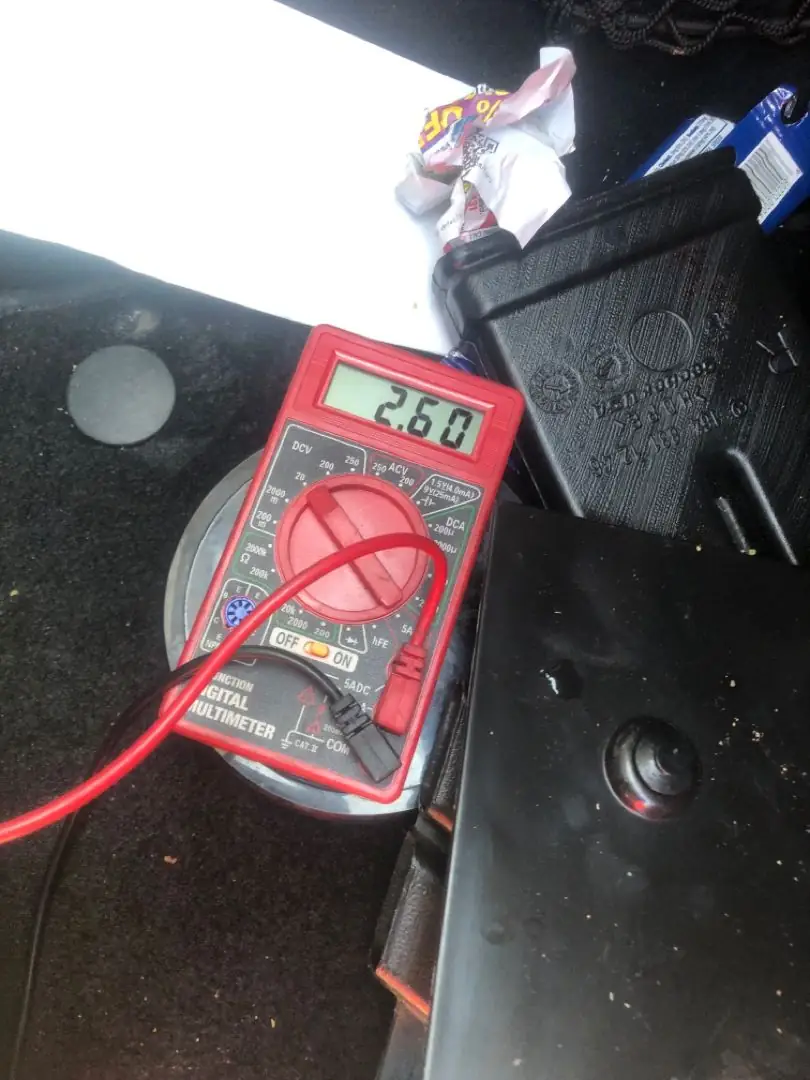
5 Signs Your Alternator Is Dying
The alternator fails slower than a battery — and gives you more warning, if you know the signs.
Read post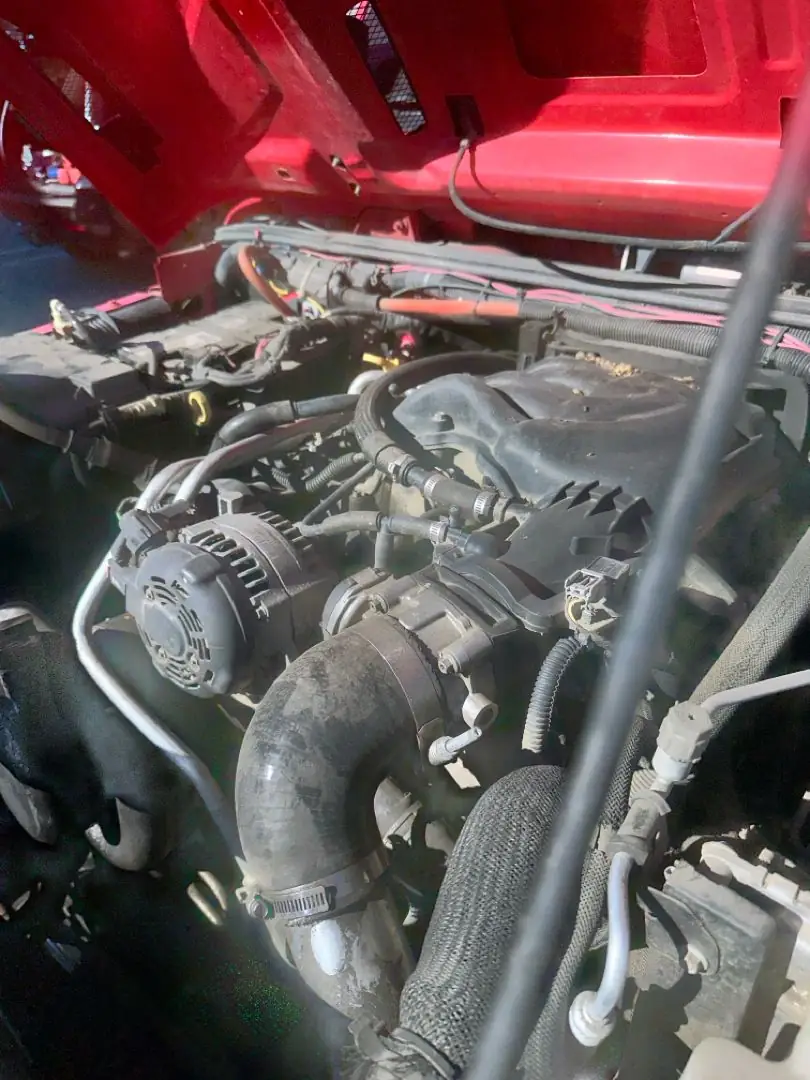
Misfires and Spark Plugs: The Shudder You Should Not Ignore
A flashing check engine light and a shaking idle usually trace back to ignition — and waiting makes it expensive.
Read post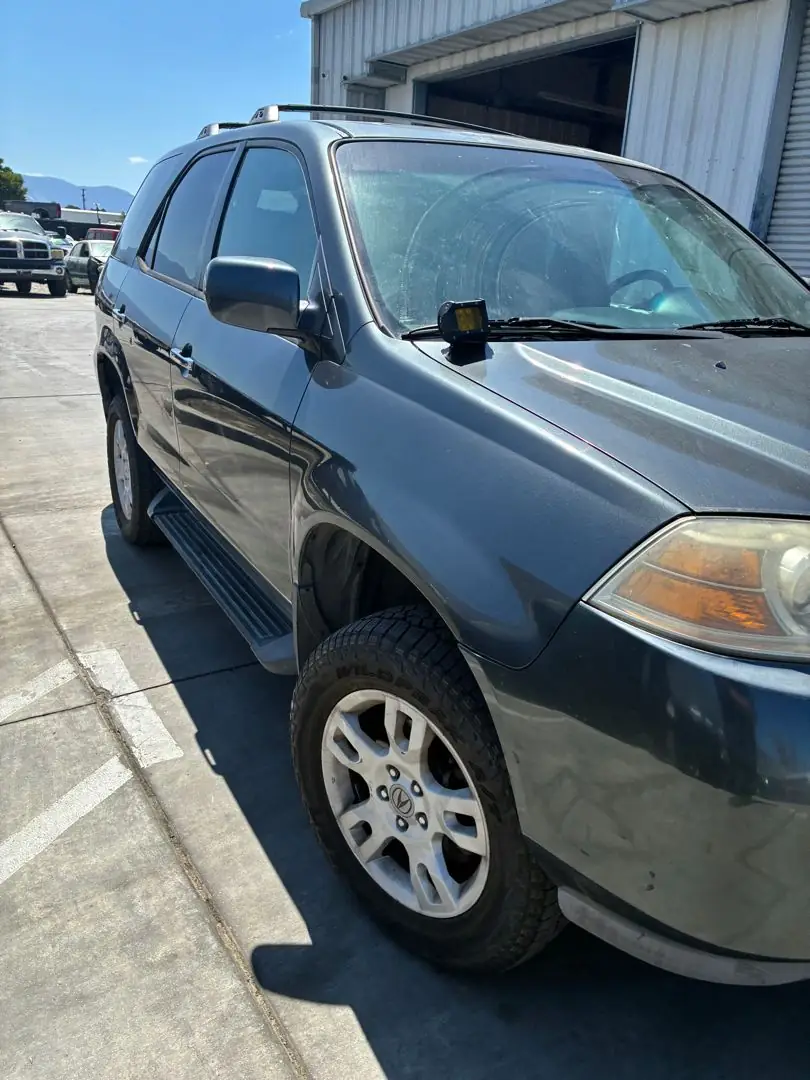
A Fall Maintenance Guide for Southern California Drivers
No snow tires needed here — but fall in the South Bay has its own short list before the rain arrives.
Read post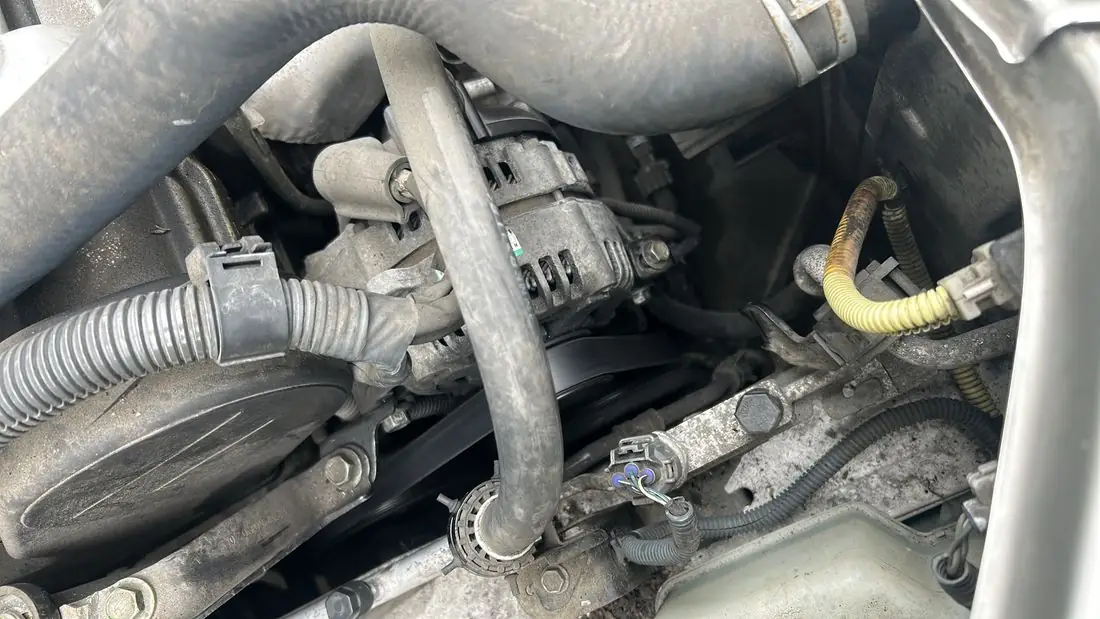
The Serpentine Belt: An $80 Part That Can Strand You
One belt usually drives your alternator, water pump and power steering. When it goes, everything goes.
Read post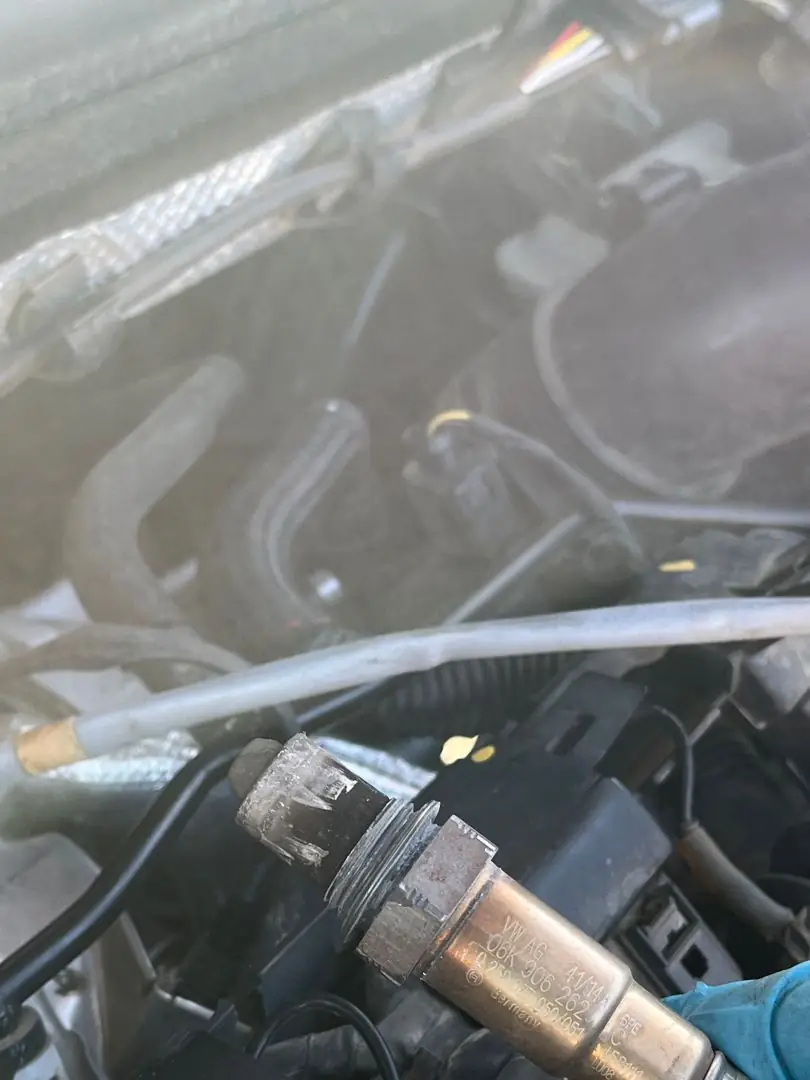
P0420 Explained: What a “Catalyst Efficiency” Code Really Means
P0420 is one of the most common — and most misdiagnosed — check engine codes. It does not always mean a new cat.
Read post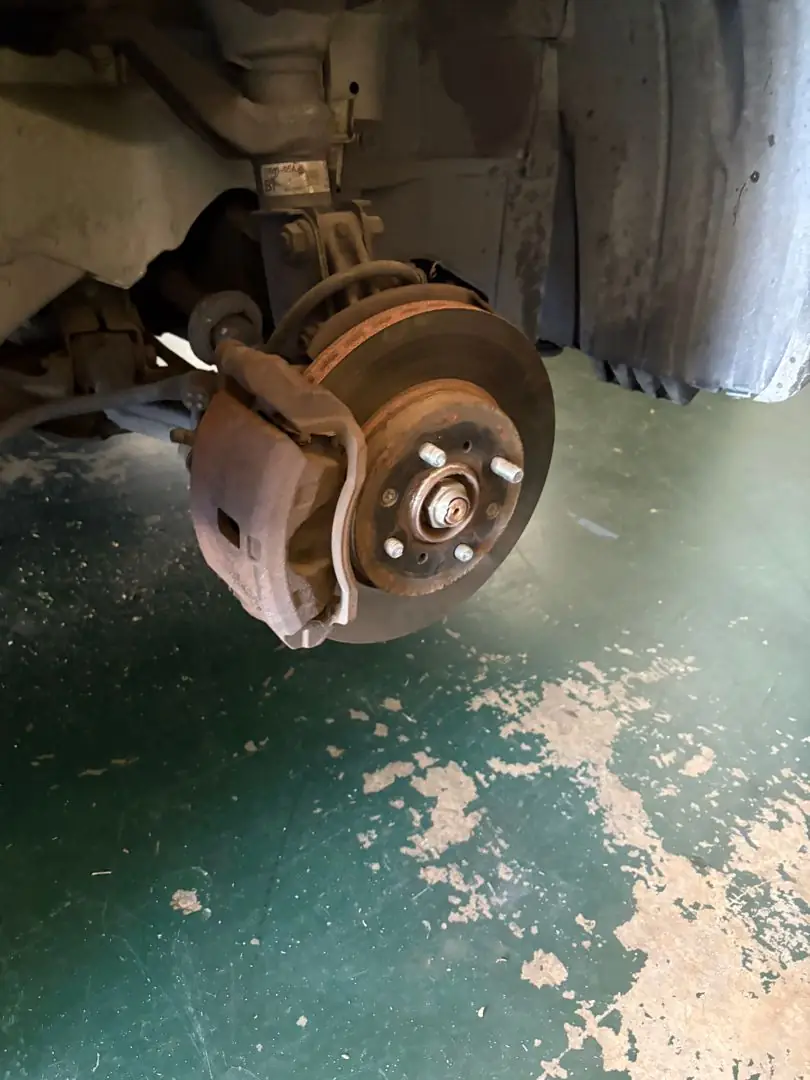
Why Brakes Squeal — and When the Sound Means Money
Some brake noise is harmless. Some is a countdown. Telling them apart saves rotors.
Read post
The Back-to-School Commute Check
School runs and traffic put different stress on a car than summer cruising. A quick September once-over pays off.
Read post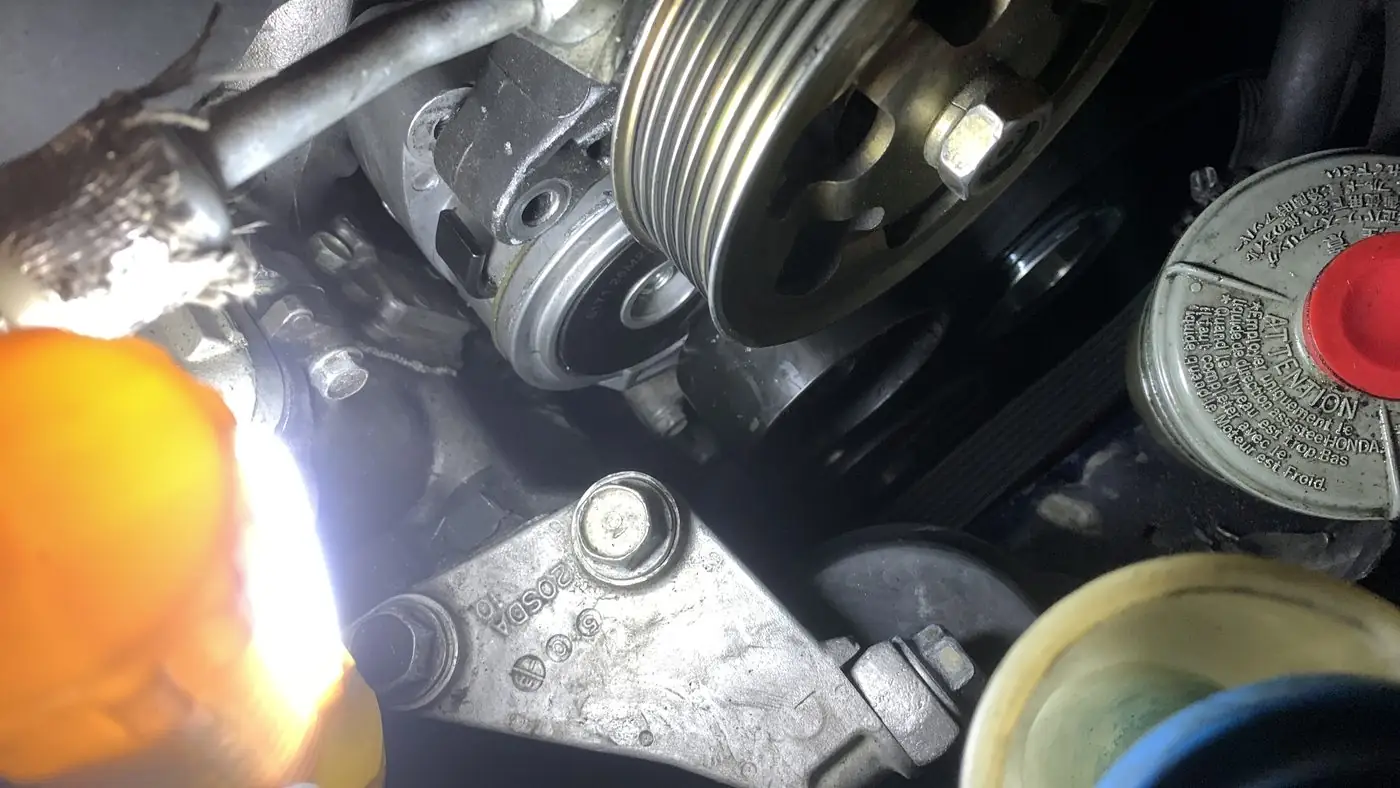
The Whine When You Turn: Power Steering 101
A groan or whine at full lock is the power steering system asking for attention before it fails outright.
Read post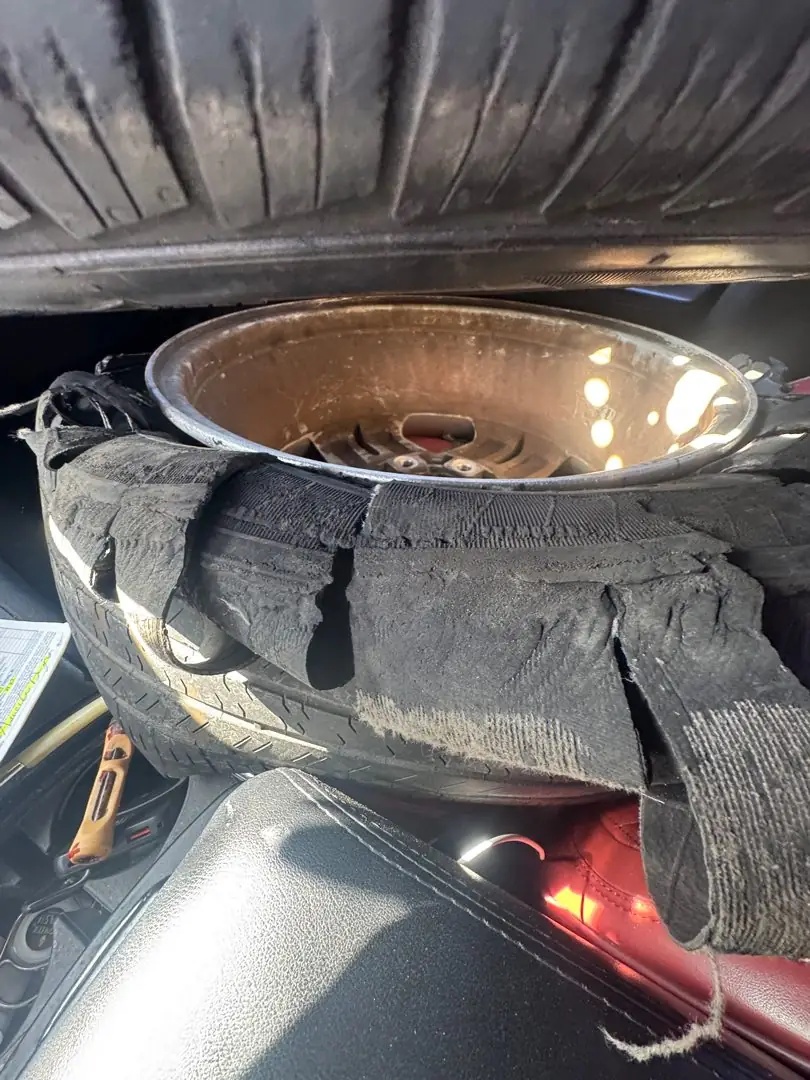
Why Tires Blow Out in Summer — and How to Not Be on the Shoulder
Hot pavement plus low pressure is the recipe for the shredded tires you see on every SoCal freeway in July.
Read post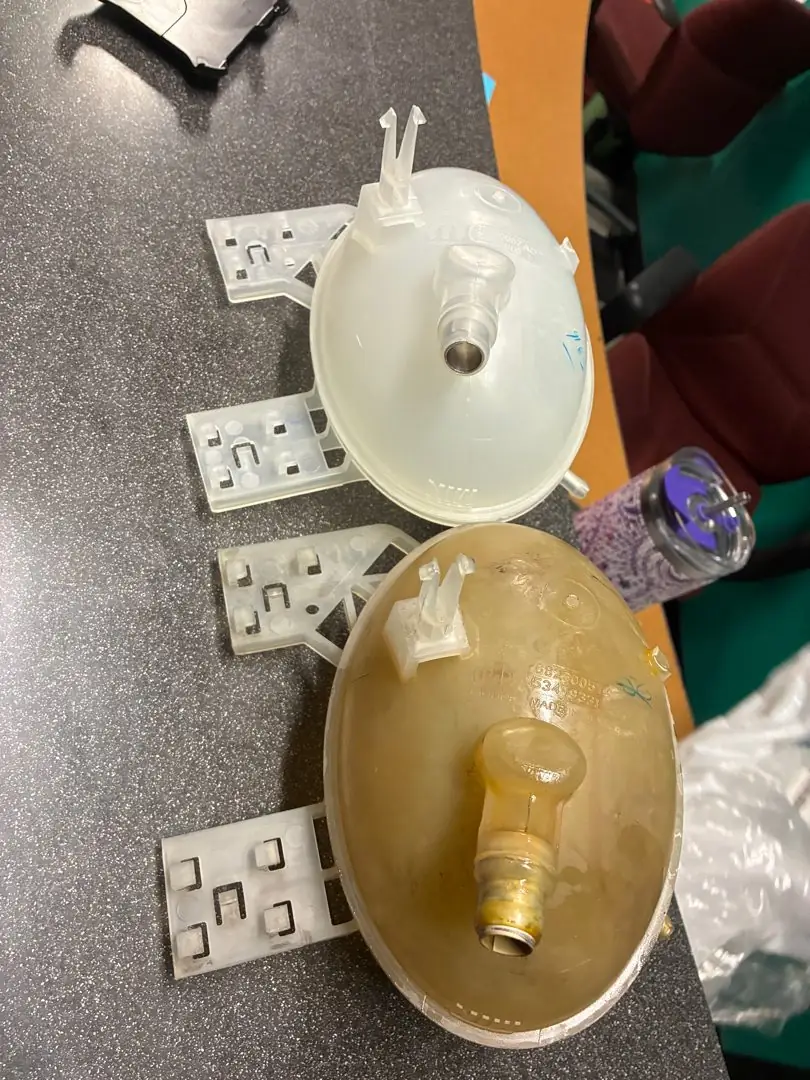
That Sweet Smell Is Your Coolant Leaving
A syrupy-sweet smell around the car, fog on the windshield, or a low reservoir — the coolant is going somewhere.
Read post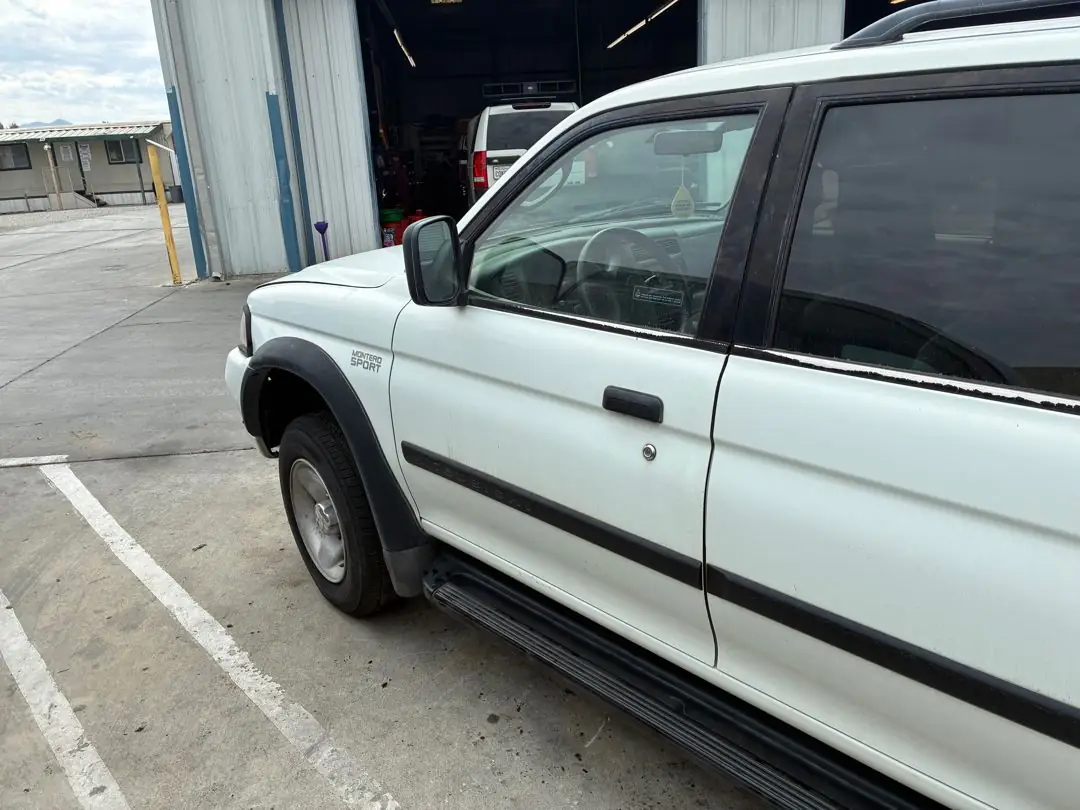
The Pre-Road-Trip Inspection: What We Actually Check
Before you point the car at Vegas or the Grapevine, twenty minutes of checks prevent most breakdowns.
Read post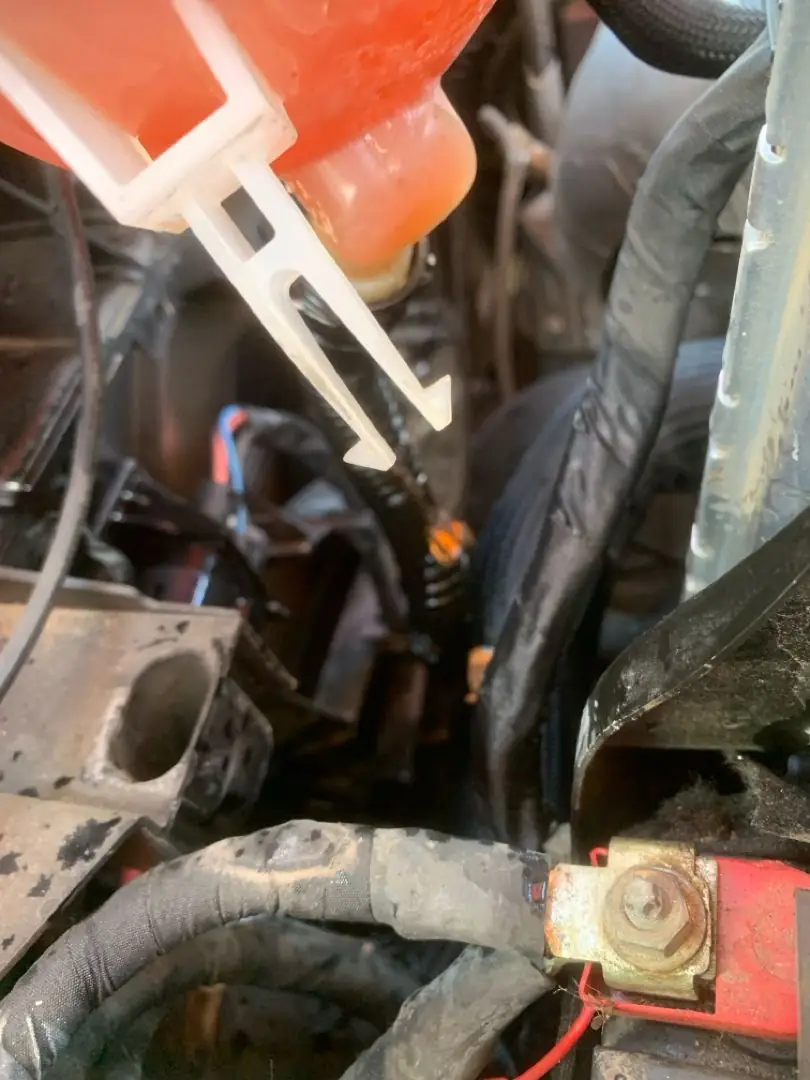
Summer Heat Kills More Batteries Than Winter Does
The battery that dies on a cold morning was usually murdered back in August. Heat is the real killer.
Read post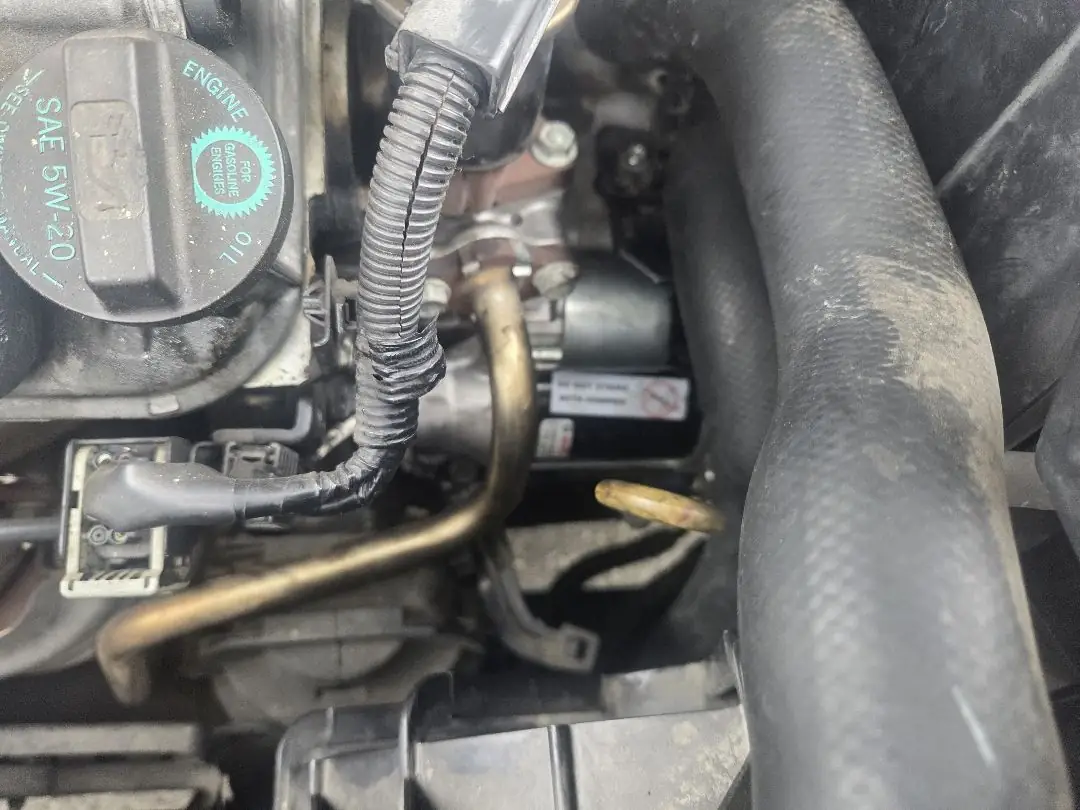
Overheating in Stop-and-Go Traffic (But Fine on the Freeway?)
A temp needle that climbs in traffic but settles at speed is a classic pattern with a short suspect list.
Read post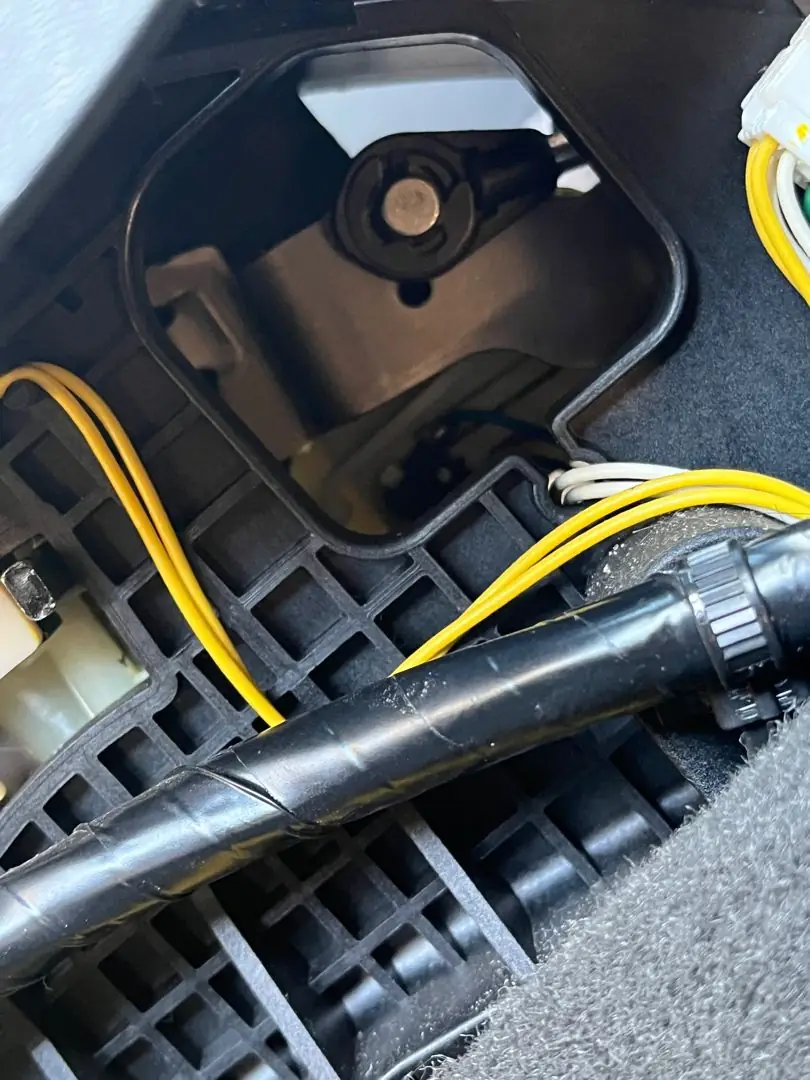
Why Your A/C Blows Cold, Then Warm
An A/C that starts strong and fades is telling you something specific. Here is what it usually is.
Read postStranded, stuck, or just done with repair shops?
One call and a VIPCANIC mechanic is on the way. 24 hours a day, anywhere in the South Bay.
Call (310) 340-6775