
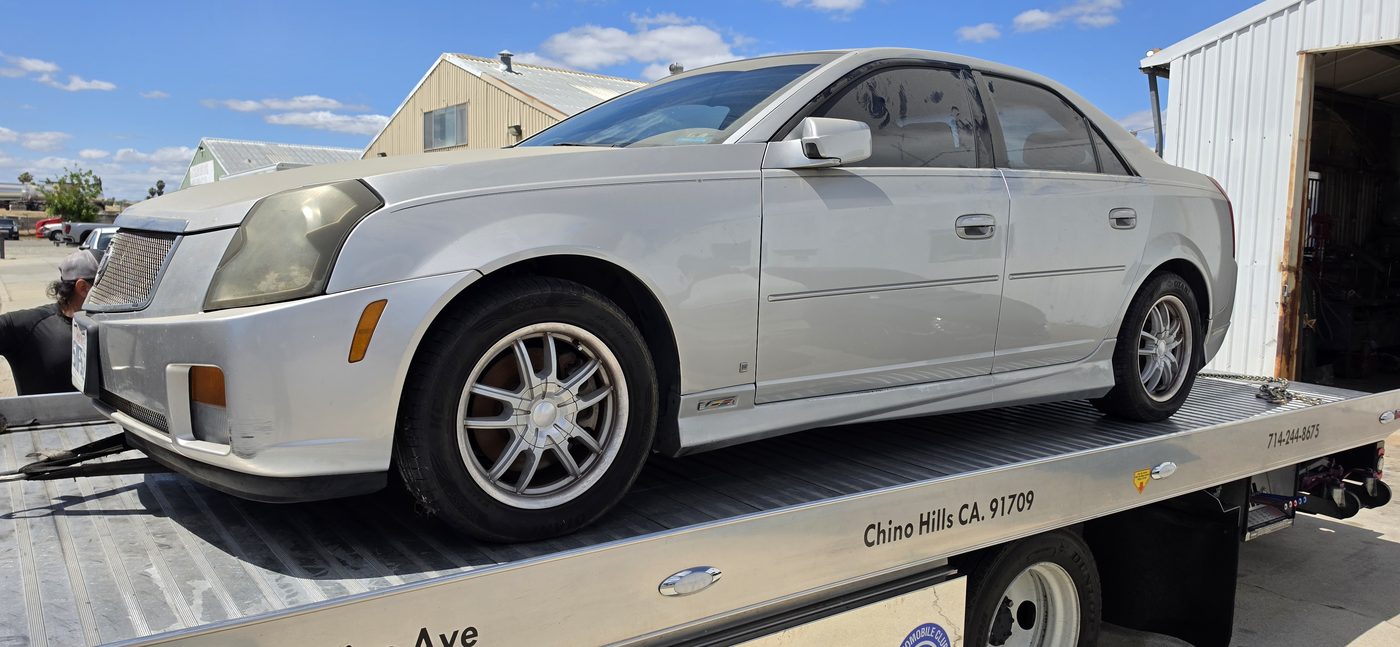
Key points
- Jobs that need the car in the air for hours, like a clutch, a transmission or exhaust welding, belong in a shop
- A special order part can turn one visit into two
- Rain, a steep driveway or a city rule against street repairs can stop a job
- Anyone can call themselves a mobile mechanic, so check the California license before you book
- For dead batteries, no-starts, brakes and check engine lights, mobile is usually the faster and simpler call
Why a Mobile Mechanic Is Writing This
We are a mobile shop. Our mechanics work out of trucks from bases in Hawthorne and Torrance, 24 hours a day. So you might expect us to say there are no drawbacks. There are, and some jobs we send to a shop because of them. We would rather tell you on the first call than after we have your money.
The best known article on this question is a 2018 opinion piece in Underhood Service, a trade magazine for shop owners. The author argues that almost anyone can start a mobile business and that a cheap mobile job often means a cheaper tech. He has a point about the bad ones. What the piece skips is what you, the driver, should do about it. That is what this page is for.
The Seven Real Drawbacks
1. No Lift in the Driveway
A shop raises the car six feet and the tech walks under it. In a driveway we work on jack stands and a creeper. That is fine for brakes, starters, sensors and most suspension parts. It is not fine for a transmission, a clutch, exhaust welding or an engine that has to come out. Those jobs are slower and less safe on the ground, and some are not possible at all.
Alignment is the same story. It needs a rack. Even after a mobile mechanic replaces a tie rod or a control arm, the car still needs a trip to an alignment shop. If a job turns out to need a lift, you may pay for the visit and then pay for the tow too. That is why a good mobile mechanic asks questions before rolling out.
2. Only So Many Parts Fit on a Truck
We carry common parts and the tools for real work. No truck holds every pad, sensor and pump for every car on the road. If your part is a dealer item or a special order, the first visit is the diagnosis and the second visit is the fix. A shop can sometimes do both in one day while the car sits in a bay.
The fix is simple. When you book, give the year, make, model and engine, and say what the car is doing. A good mechanic shows up with the likely parts already on board.
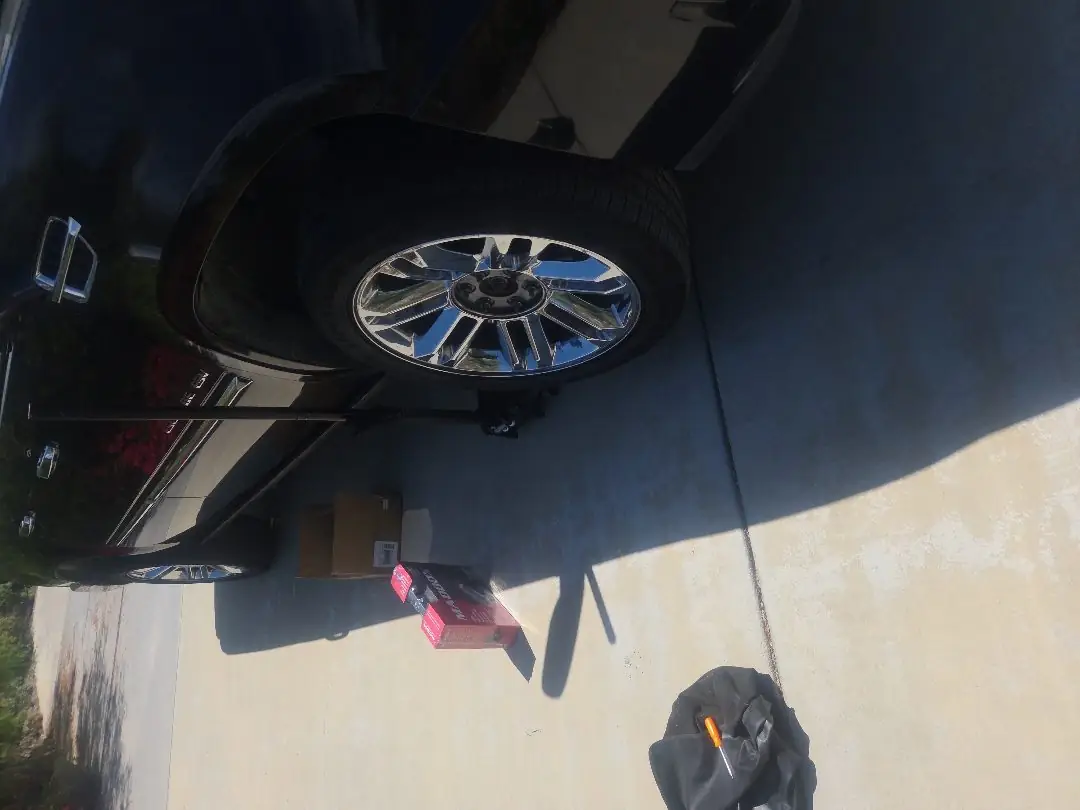
3. Weather, Space and the Rules Where You Park
A shop has a roof. Your driveway does not. Rain and wind slow work down, and a steep driveway or a low parking garage can rule a job out.
The rules matter too. Many cities limit repair work on public streets. Chula Vista, for one, bans oil changes and other maintenance on any public street or public parking area, and allows only temporary emergency repairs on the street (Chula Vista Municipal Code 10.52.120). Apartment complexes, HOAs and office lots often have their own rules. Check yours before you book a driveway oil change in a shared lot.
4. Anyone With a Toolbox Can Say Mobile Mechanic
This is the big one, and the trade magazine is right about it. A shop has a sign, an address and a building you can walk into. A mobile listing can be a phone number and a photo of a van. If the work goes bad, a fly by night operator can just stop answering.
In California you have a real check. The Bureau of Automotive Repair licenses auto repair businesses, and its Auto Shop Locator has a filter for mobile repairs. You can also look up any license and see its status and any discipline history. A licensed business has to follow the state repair rules, and that is where your protection comes from.
5. A Comeback Takes More Effort
When a part fails a week later, a shop customer drives back in. A mobile customer has to call and book a return visit, and if the car will not run, the mechanic has to come back out. Ask how warranty work is handled before the first job.
Then keep the invoice. The Bureau of Automotive Repair says the final invoice must list the shop name, address and license number, every repair done, and every part supplied, marked if it is used, rebuilt or reconditioned. That paper is your warranty claim.
6. Some Problems Need Bigger Gear
A good mobile tech carries a real scan tool and a meter, and that solves most check engine lights and no-starts. Our mobile diagnostics work that way, with testing at the curb instead of guessing. But some faults hide. An electrical problem that comes and goes may need the car for a full day. A slow leak may need the car in the air under good light. When the trail runs out in a driveway, the honest move is to say so and not throw parts at it.
7. The Mess Lands at Your House
Brake dust, a few drops of oil, an old battery and a jug of used coolant all come out of a repair. A pro lays down a drop cloth, catches the fluids and takes the old parts away. Ask about it when you book. If someone plans to leave you with the old oil, that tells you how the rest of the job will go.
Mobile or Shop, Job by Job
Most of the drawbacks above come down to one question. Does this job need a lift, a rack or days in a bay? Here is how the common jobs sort out.
| Job | Mobile Works? | Why |
|---|---|---|
| Dead battery or battery swap | Yes | Done where the car sits, no tow |
| Starter or alternator | Usually | Bolt on parts on most cars |
| Brake pads and rotors | Yes | Needs a flat spot and jack stands |
| Check engine light | Yes | Scan tool and meter travel fine |
| Belts, hoses, thermostat | Usually | Depends on how buried the part is |
| Shocks, struts, control arms | Usually | The alignment after is a shop job |
| Used car inspection | Yes | Done at the seller before you pay |
| Transmission or clutch | Shop | Needs a lift and a transmission jack |
| Exhaust welding | Shop | Welding gear and the car in the air |
| Wheel alignment | Shop | Needs an alignment rack |
| Engine removal or rebuild | Shop | Needs a hoist and days of bay time |
When a Mobile Mechanic Is the Better Call
Now flip it. Most of what strands a car is small. AAA says it answered over 27 million roadside calls in 2024. About 13 million were tows and about 7 million were battery problems (AAA Newsroom, April 1, 2025). A dead battery is the textbook mobile job. Pick mobile in these cases.
- The car will not start. No tow, and most no-start calls get fixed on the same visit.
- You cannot lose a day. The work happens at home or at the office while you get on with things.
- You want to watch. You see the old part come off and the new one go on.
- You are buying a used car. A pre-purchase inspection at the seller's place, before any money changes hands.
- The job is on the Yes list above. Brakes, batteries, starters, sensors and diagnostics.
Pick a shop when the job is on the Shop list, when there is no legal flat spot to work, or when a problem has already beaten a scan tool once. We wrote a shorter mobile mechanic vs. repair shop comparison if you want the quick version.
How to Hire a Mobile Mechanic Without the Downsides
Most of the risk is in who you hire, not in the van. California gives you rights on every repair, mobile or not. Use them.
- Check the license. Search the business on the state license lookup before you book.
- Get the estimate first. The shop must give you an estimate for parts and labor, and work cannot start until you approve it. Approval can be written, by phone, or by text or email.
- Ask for your old parts. You have the right to them, but you have to ask before you approve the work.
- Expect a call about changes. If the mechanic finds more problems, they must contact you, and you must approve any extra work.
- Ask about the warranty. Get the terms in writing, and ask how a return visit works.
- Describe where the car is. Driveway, street, garage level or slope. It decides whether the job can happen there.
- Keep the final invoice. It should show the license number and every part.
The rights in steps two through four come from the Bureau of Automotive Repair consumer page, checked on October 10, 2026.
Our Take
The drawbacks are real, but most of them come from the job or the person, not from mobile itself. Put the right job in the driveway, hire a licensed mechanic who tells you when a job is not a driveway job, and the downsides mostly go away.
Questions People Ask
What are the drawbacks of using a mobile mechanic?
No lift for big underbody jobs, a limited parts stock that can mean a second visit, weather and parking limits, and a trade that is easy to enter. Check the license and match the job to the van, and most of those go away.
What can a mobile mechanic not fix?
Jobs that need a lift, a rack or days of bay time. That means transmissions, clutches, exhaust welding, wheel alignment and pulling an engine. A good mobile mechanic tells you this on the first call.
Are mobile mechanics licensed in California?
Real ones are. The Bureau of Automotive Repair licenses auto repair businesses, and its Auto Shop Locator has a filter for mobile repairs. You can look up any license online and see its status and any discipline history.
Can a mobile mechanic work on my car on the street?
It depends on the city. Chula Vista, for example, bans maintenance like oil changes on public streets and allows only temporary emergency repairs there. Apartment and HOA rules can be stricter, so a private driveway is the safest spot.
Is a mobile mechanic cheaper than a shop?
Often there is no tow and less overhead, which helps. But a trip fee, or a second visit for a special order part, can close the gap. Ask for the full price before the mechanic starts.
Can I get my old parts back from a mobile mechanic?
Yes. In California you can ask for any replaced parts back, but you have to ask before you approve the repair.
VIPCANIC runs mobile mechanics out of Hawthorne and Torrance, 24 hours a day. When we do the repair, the diagnostic fee rolls into it, and when a job needs a lift, we say so on the call. (310) 340-6775.
Sources
- AAA Newsroom, AAA Urges Drivers to Stay Proactive on Auto Repair and Maintenance, April 1, 2025
- California Bureau of Automotive Repair, Maintenance and Repairs (consumer rights)
- California Bureau of Automotive Repair, Auto Shop Locator
- California Department of Consumer Affairs, License Search
- Chula Vista Municipal Code 10.52.120, Repairing or Greasing of Vehicles Prohibited Where
- Underhood Service, Why I Hate Some Mobile Mechanics, April 26, 2018
Stranded, stuck, or just done with repair shops?
One call and a VIPCANIC mechanic is on the way. 24 hours a day, anywhere in the South Bay.
Call (310) 340-6775